
What changed
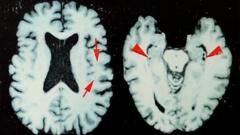
A new study says at least one in four former NFL players who died between 2016 and 2021 had a degenerative brain disease, according to BBC News. The true share could be considerably higher.
Why this matters to you
This publication’s view: if football is part of your family’s life, this changes the question from whether repeated exposure can carry lasting risk to how much risk remains hidden. That matters when deciding whether a child should play, whether an adult should keep playing after warning signs, or how seriously to treat symptoms in someone who has left the sport.
The uncertainty is the true scale. But the reported minimum is already substantial enough to justify direct conversations with coaches and clinicians, especially when a player’s long-term health is being weighed against another season on the field.
What to watch next
First, watch for follow-up studies covering different groups and longer periods. Similar findings would strengthen the case that this is not confined to the players examined; sharply lower findings would weaken it.
Second, watch whether football authorities change rules, medical monitoring or return-to-play practices. Concrete changes would mean the research is altering how risk is managed, not merely renewing debate.
Third, watch for clearer guidance aimed at former players and their families. If that appears, people worried about symptoms may gain a more practical route to assessment; if it does not, families will still be left carrying much of the decision themselves.
Comments
No comments yet.