What changed
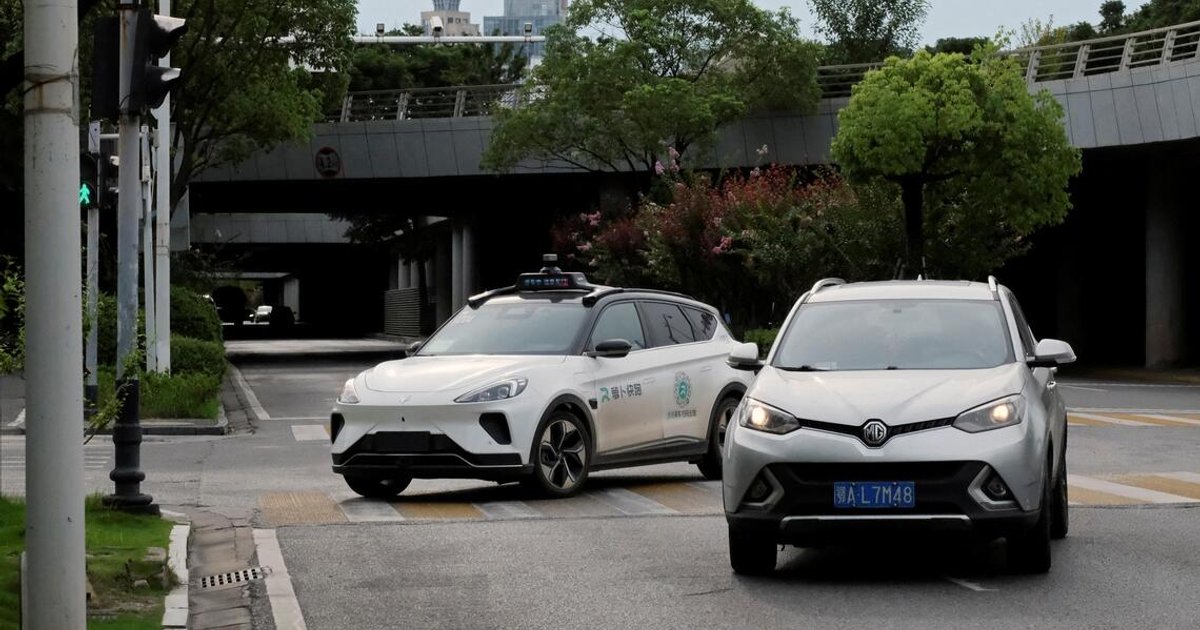
Baidu launched Apollo World on Nov. 3, an AI system that simulates road environments for robotaxi training. It can generate up to 100,000km of simulated driving each day, using real-time camera and lidar data, and is already training Baidu’s Apollo Go fleet for global operations.
Why it matters
The headline number is less about virtual mileage than about compressing a costly part of autonomous driving. Baidu says that one day of simulation can equal roughly three years of testing by a self-driving vehicle with a safety driver.
That could help Apollo Go learn unfamiliar roads without putting a vehicle on every one of them first. But the report leaves the crucial question open: there is no evidence yet that Apollo World will improve safety, reduce costs or speed deployment in the real world.
The pressure is clear. Robotaxi companies still face major expenses for training models and buying vehicles, even when they expand through partnerships rather than owning entire fleets. China’s robotaxi fleet could reach 1 million vehicles by 2035, while XPeng plans to begin robotaxi operations in 2027. Baidu’s bet is that better simulation can make that expansion financially and technically manageable.
Comments
No comments yet.