What changed
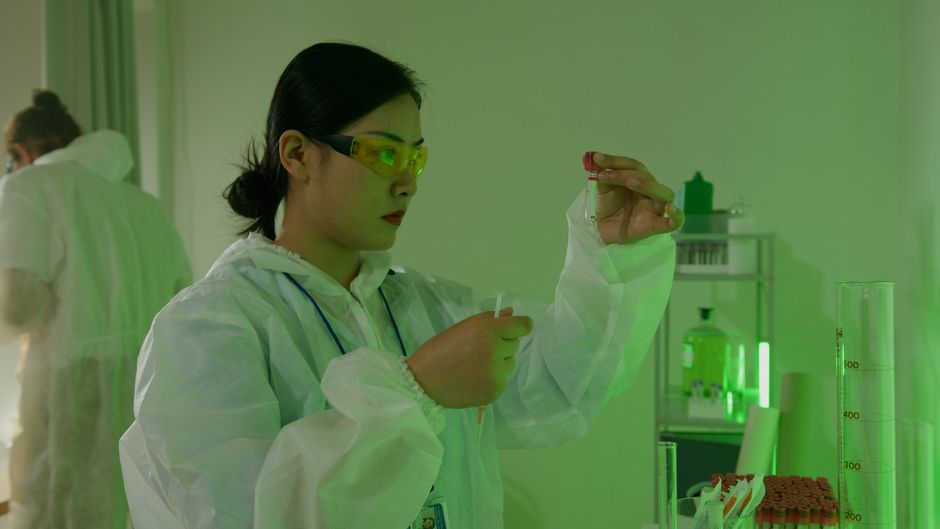
China’s Ministry of Science and Technology inaugurated the first China-Africa joint laboratory focused on sesame in Wuhan on 11 November 2026. The Chinese Academy of Agricultural Sciences’ Oil Crops Research Institute and Ethiopian partners jointly established it; officials also announced a China-Africa oilseed research centre in Mozambique and new agreements with institutions in Nigeria and Algeria.
Why it matters
This is research infrastructure aimed at a trade that already runs heavily through Africa. African countries account for 65% of global sesame cultivation, while China gets about 70% of the sesame it consumes each year from Africa. Improving yields could therefore affect both African production and China’s supply options, although the project’s budget, staffing, timetable and expected gains remain unspecified.
The partnership also links laboratories to deployment. Over the past decade, Chinese and African institutions have signed more than 20 oilseed cooperation agreements with research bodies and companies in more than 10 African countries. A high-yield, stress-resistant variety known as Han Zhi A3 has already been promoted in several African countries.
The practical reading is that Wuhan is presenting sesame cooperation as a long-term system: breeding, research, training and commercial application connected across countries. The new centre in Mozambique and graduate-training agreements with Ahmadu Bello University’s agricultural research institute and Algeria’s Tissemsilt University broaden that network beyond one crop or one partner. Whether it produces meaningful gains will depend on what happens after the inauguration, particularly staffing, field deployment and financing.
Comments
No comments yet.