What changed
China’s ambassador to the Philippines, Jing Quan, said in Manila on October 15 that China could “easily win” a conflict with the Philippines, while insisting Beijing would not choose force and wanted peace. Philippine officials called the remarks “hardly helpful,” a “thinly veiled threat” and a “direct threat.”
Why it matters
The dispute is no longer just about ships and shoals. It is also about how each side describes the balance of power while those ships keep meeting at sea.
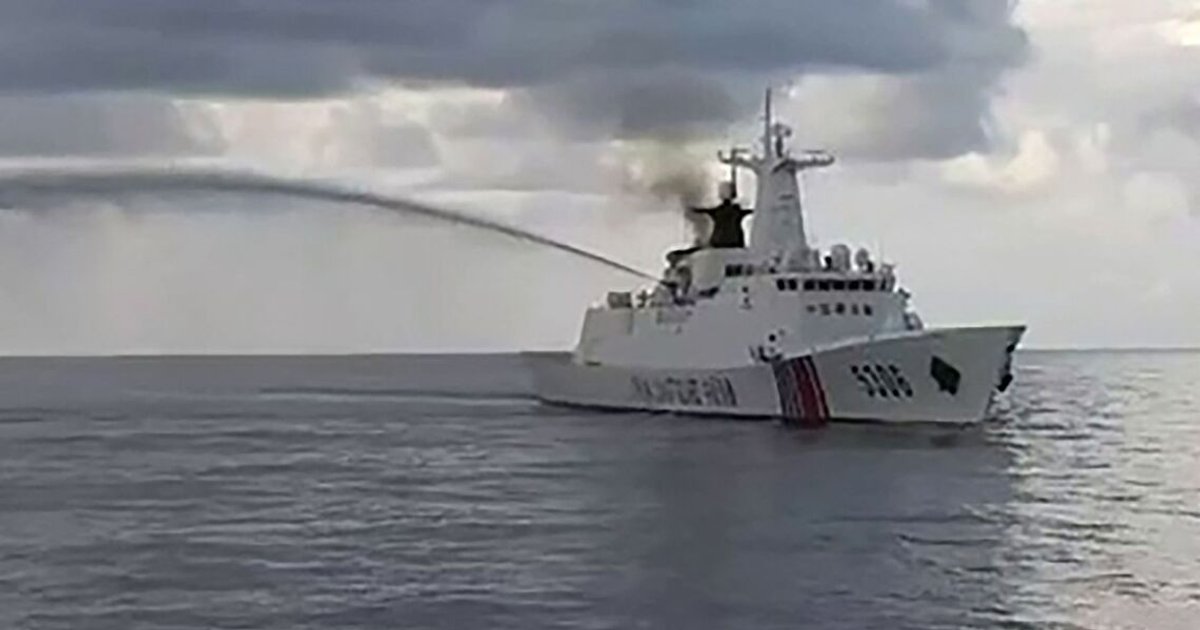
The Philippines says Chinese vessels have rammed coast guard personnel and used water cannons, including during a recent medical evacuation involving an ailing Filipino soldier near a disputed shoal. Its coast guard argues that saying force is unnecessary while repeatedly using coercive tactics is not peace.
Beijing says Jing’s words were taken out of context and presented China as a neighbour and friend seeking stable relations. The timing made that reassurance harder to hear: Philippine Defence Chief Gilberto Teodoro had called China a regional “troublemaker” on October 14, and the two governments remain at odds over China’s sweeping South China Sea claims, which an international ruling rejected.
The intent behind Jing’s wording remains unclear. But the practical effect is plain: Manila now has to answer a public assertion of overwhelming Chinese power while managing confrontations that have already involved collisions, injuries and alleged interference with medical access. Whether the exchange produces new measures at sea will determine if this stays a diplomatic quarrel or adds another layer of risk to the next encounter.
Comments
No comments yet.