What changed
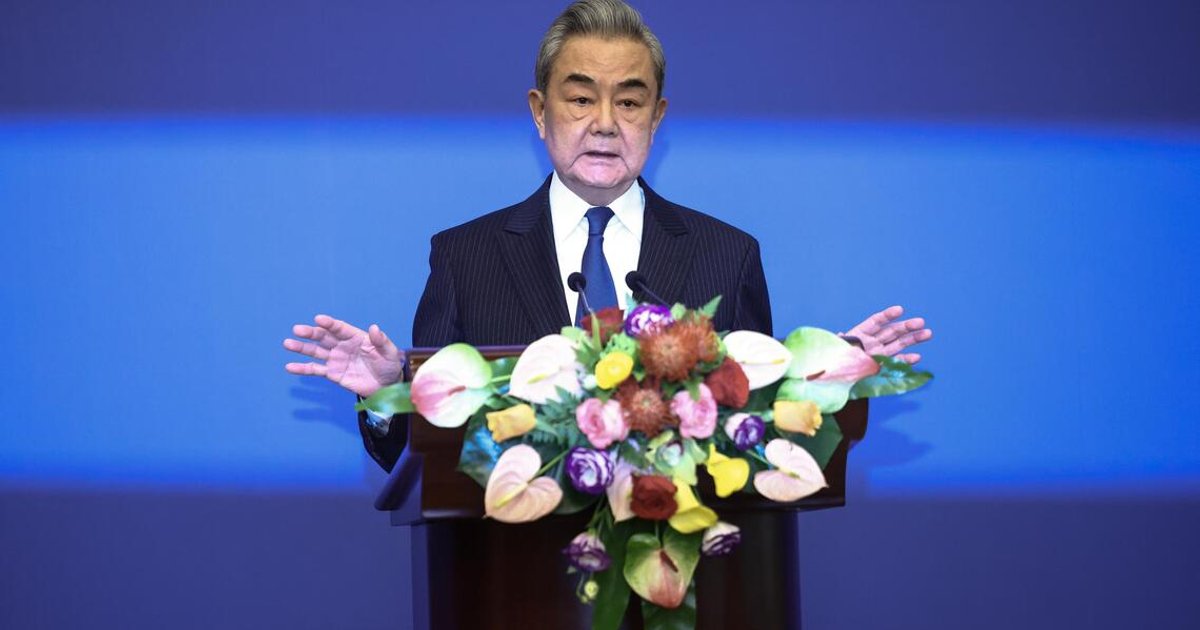
China used its APEC chairmanship to call for free trade and a WTO-centred regional economy at a rare online ministerial meeting on Nov. 3, ahead of the leaders’ summit in Shenzhen on Nov. 18-19. Wang Yi urged members to preserve multilateral trade rules, while Commerce Minister Wang Wentao warned of supply-chain fragmentation and promoted innovation, policy coordination and open AI cooperation. Japan backed free regional integration and resilient supply chains.
Why it matters
The meeting puts China’s preferred language for the summit in plain view: keep trade open, resist fragmentation and make new technology a field for cooperation. That message lands as US tariffs and China’s trade curbs have sharpened arguments over how much economic security should shape trade.
APEC has 21 member economies, including the United States, China, Japan, South Korea and Russia. The size of that table makes consensus useful, but also makes agreement difficult. The key question is whether Shenzhen produces concrete measures or mainly political language; it is still unclear whether the United States or other members support China’s proposals.
For now, Japan’s parallel emphasis on free trade and supply-chain protection shows the narrow space in which the summit must work: economies want regional commerce to remain open, but they also want fewer vulnerabilities.
Comments
No comments yet.