What changed
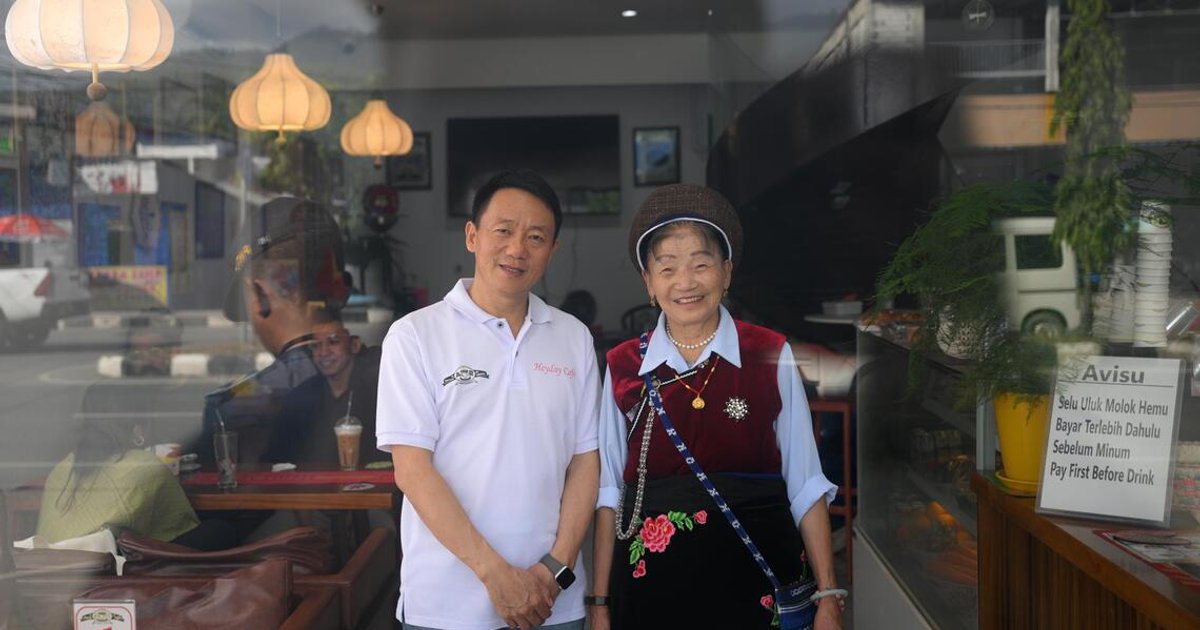
China’s role in Timor-Leste is moving beyond government buildings and roads into coffee, trade, education, investment and defence. Chinese agricultural specialist Chen Lisong, who arrived in 2005 and founded a coffee company in 2019, is trying to help local producers sell higher-value beans abroad.
That shift comes as Timor-Leste looks beyond oil. The Bayu-Undan field stopped producing in June 2025, and the country joined ASEAN in October 2025.
Why it matters
Timor-Leste’s relationship with China is already large, but it is still heavily tied to petroleum. China was Timor-Leste’s biggest export market in 2023, taking US$76.2 million in goods, or 46.6 per cent of total exports. Crude oil made up 99.2 per cent of what Timor-Leste sold there. Imports from China reached US$128.6 million.
That makes coffee more than a boutique business. Chen’s “seed to cup” model is an attempt to keep more value inside Timor-Leste instead of exporting low-grade beans and leaving the processing and branding elsewhere. His Dili cafe, HeyDay AR Coffee, doubles as a showroom for beans he hopes to sell in China and other overseas markets.
The relationship has a deep physical footprint. China has funded Timor-Leste’s presidential palace and the buildings housing its foreign and defence ministries. Chinese state-owned companies have built the main port, the Suai expressway and the national power grid. The partnership became a Comprehensive Strategic Partnership in 2023, and Chinese Defence Minister Dong Jun visited in August.
People are part of that connection too. An estimated 20,000 Chinese migrants have moved to Timor-Leste since 2002, while a weekly direct flight links Xiamen and Dili.
The opportunity is clear, but the harder test is demand. Timor-Leste now has access to China and the wider ASEAN market, yet coffee and other non-oil products will need buyers, investment and local businesses able to scale. If that happens, China’s role could help broaden the economy. If not, the relationship may remain a new channel for old dependence.
Comments
No comments yet.