What changed
China has made preventing renewed fighting in the Middle East a “top priority” after US President Donald Trump issued a fresh war threat against Iran.
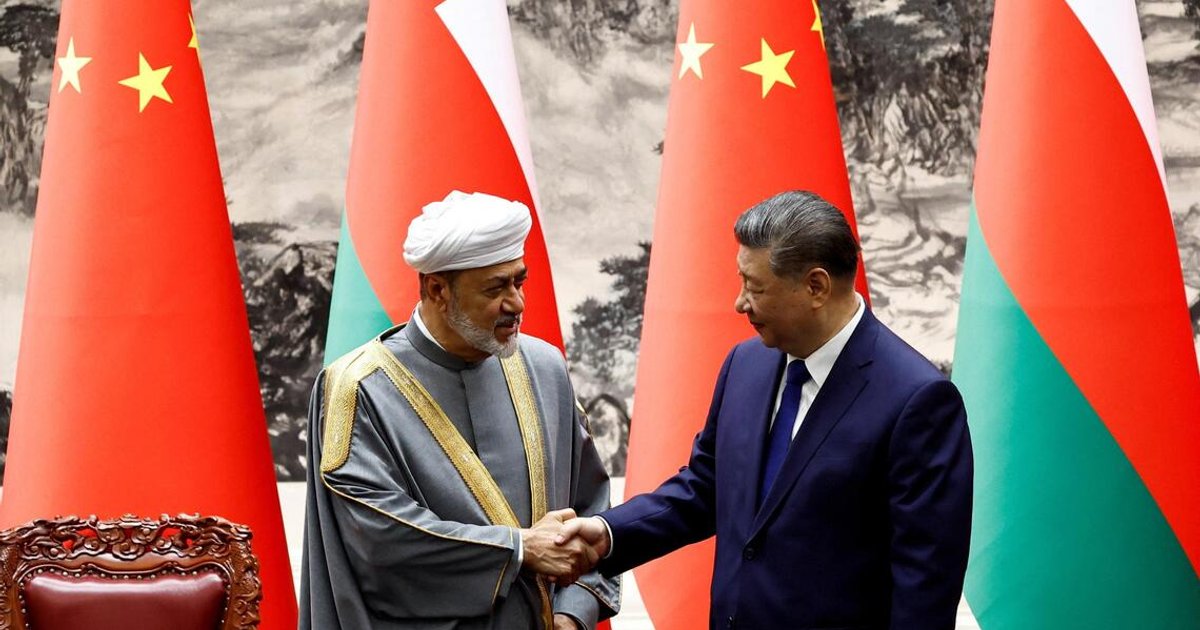
Beijing held talks with Iranian, Omani and Saudi officials on Nov. 2 and plans to send its Middle East envoy to Iran, Oman and Saudi Arabia later in November. China is pushing negotiations over US-Iran disputes, Yemen and access through the Strait of Hormuz.
Why it matters
China is trying to turn diplomacy into a buffer against a wider crisis. Foreign Minister Wang Yi called for protected shipping lanes and a “spirit of reason”, while President Xi Jinping warned that the Middle East must not become a “wrestling ground for major-country rivalry”.
That gives Beijing a clear role to pursue: keep the United States and Iran talking, reduce tensions around Yemen and help preserve passage through the Strait of Hormuz. But the next move belongs to the governments involved. If Iran, the United States, Oman and Saudi Arabia accept the proposed process, the November envoy visits could give negotiations fresh room. If they do not, China’s shuttle diplomacy will remain a statement of intent rather than a path out of the crisis.
Comments
No comments yet.