What changed
China has proposed export controls covering 23 AI-related technologies, including advanced models, autonomous agents and chip-design tools. The draft, released on October 16, would require government approval for some transfers while allowing overseas users to access Chinese AI through websites and cloud platforms.
The dividing line is ownership and control:
- Access to a Chinese AI service abroad could remain permitted.
- Taking the model, data or expertise abroad to operate it independently could require approval.
- Certain transfers must be registered immediately.
Why it matters
This would make China’s AI industry more like a locked workshop with a public counter: customers can use the service, but the machinery and know-how stay inside.
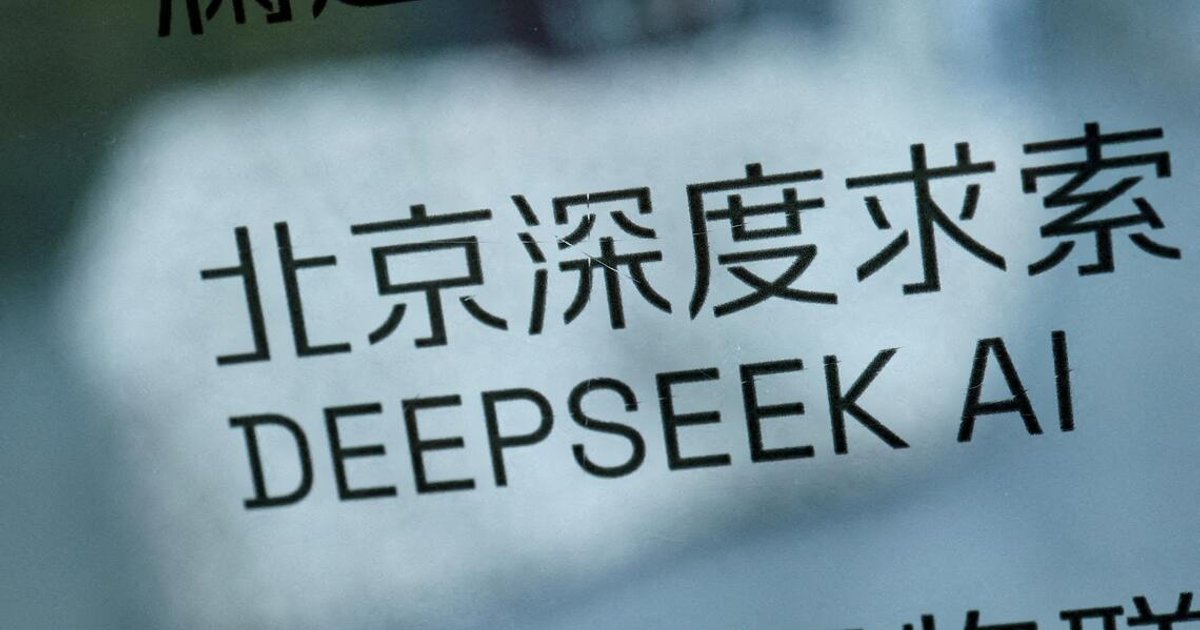
That matters for firms such as DeepSeek, Moonshot and Z.AI, which serve overseas users while some Chinese developers rely on foreign data centres to reach advanced chips restricted from export to China. The rules could affect where models are trained or run, how international partnerships are structured, and whether foreign companies can own AI assets.
The draft proposes coverage tests based on training work of 10^26 calculations, at least two trillion parameters, or other criteria still awaiting clarification. Researchers are seeking answers on whether foreign-owned overseas servers can host their most advanced models, and companies want clearer tests for deciding which systems fall under the controls.
The practical outlook is that Chinese developers may have to maintain separate domestic and overseas versions of a model if the rules are applied strictly. China may adopt the proposals by the end of 2026, but the timetable and implementation guidance remain unclear.
Comments
No comments yet.