What changed
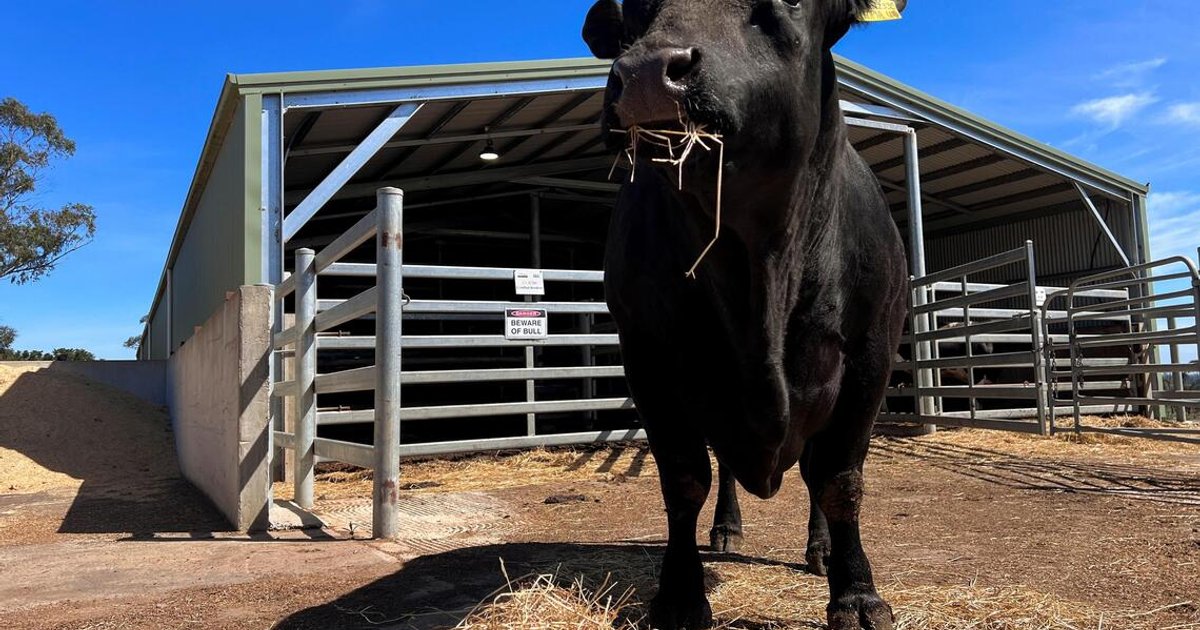
China has resumed importing bull semen after a near halt, but only semen from the top 10% of bulls in producing countries will qualify. Australia and Canada are shipping again, with the first Australian batch arriving in April 2026; the United States and Britain may follow if approved.
Why it matters
This is a genetic upgrade aimed at a very practical problem: Chinese cattle produce less meat and milk than leading Western breeds. Chinese beef carcasses average about 150kg, compared with nearly 400kg in the United States, while better genetics could mean faster growth, lower feed use, better-marbled beef and higher-quality milk.
The scale of the opportunity is substantial. By 2024, Chinese consumers were eating almost twice as much beef and 30% more dairy as a decade earlier. Beef and dairy imports now cost China roughly US$25 billion to US$30 billion a year.
The difficult part is getting the right genetics through the gate. Shipments face intensive screening, and some are rejected after review. China is buying far less than before, but suppliers expect demand to grow as farms look for animals that produce more from the same feed.
The bigger ambition is to build globally competitive cattle genetics at home and eventually become an exporter. That remains uncertain. For now, China is reopening the market with a narrow funnel: fewer doses, stricter standards and a clear preference for the very best bulls.
Comments
No comments yet.