What changed
China’s marine economy reached 8.5 trillion yuan in the first three quarters of 2026, up 4.9% from a year earlier. Growth was spread across energy, fisheries, shipbuilding, ports and marine equipment.
- Marine crude-oil output rose 3.5%.
- Domestic marine-product output increased 4.6%, with mariculture up 5.8%.
- Shipbuilding orders surged 98.5%, while completions rose 35% and orders on hand increased 41.9%.
- Marine-engineering-equipment orders climbed 123.3%, representing more than 80% of the global market.
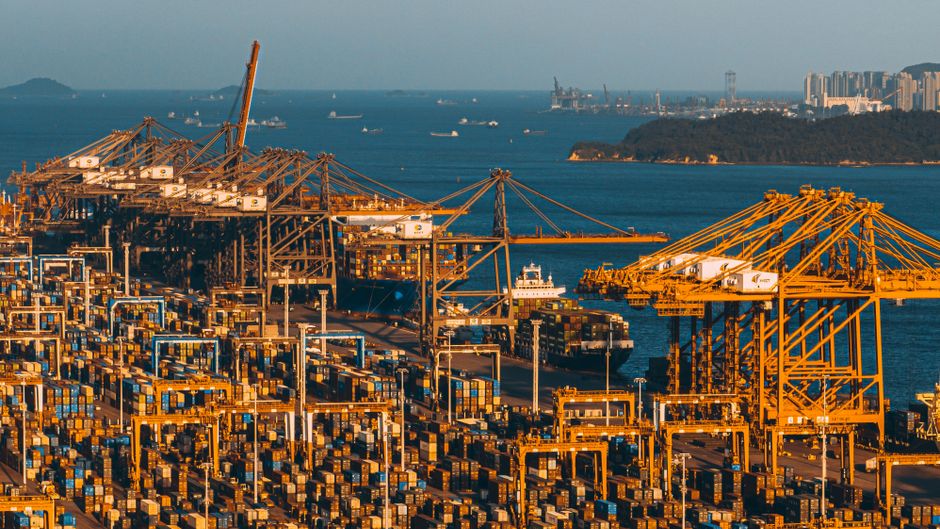
- Coastal cargo throughput grew 1.6% and container throughput 4.7%.
- Authorities approved 219,000 hectares of new sea-use and island-use areas tied to more than 670 billion yuan in investment.
Why it matters
The headline growth rate is steady, but the sharper signal is where the expansion is happening. China’s maritime economy is adding capacity in industries that connect the sea to energy supply, food production, freight and heavy manufacturing.
Shipbuilding and marine engineering are doing the heavy lifting. New ship orders nearly doubled, while equipment orders more than doubled. That points to a sector preparing for a larger pipeline of work, even though the figures do not show how much each industry contributed to the overall 4.9% growth.
The investment approvals also enlarge the map of future activity. More than 670 billion yuan is linked to newly approved sea and island use, but approval is not the same as completed construction. The next meaningful test will be whether that planned investment turns into operating projects.
On the consumer side, marine food supply remained stable, and the end of the four-month fishing moratorium in the Bohai and Yellow seas on September 1 opened the next fishing season. Together, the figures show a maritime economy broadening across infrastructure, industrial production and basic supply rather than relying on one standout segment.
Comments
No comments yet.