What changed
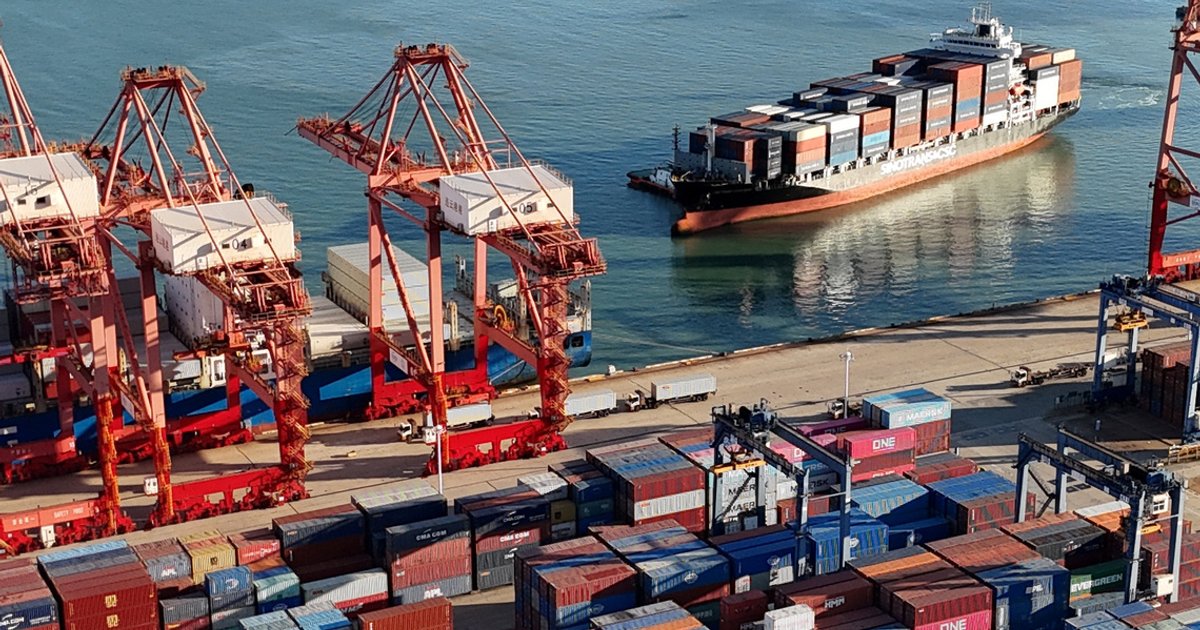
China’s trade surplus reached $1.04 trillion in the first 10 months of 2026, crossing that mark a month earlier than last year and topping $1 trillion for a second consecutive year. October exports rose 35.2% from a year earlier, while imports jumped 41.6%.
The surge is tied partly to global spending on AI infrastructure, which has lifted demand for Chinese high-tech products even as domestic consumption remains weak. China has also extended its trade truce with Washington by two months.
Why it matters
China is leaning harder on foreign buyers to support an economy weighed down by subdued consumer spending and a prolonged property slump. The imbalance is visible in the car market: Chinese automakers are maintaining solid export growth while domestic vehicle sales have declined for 12 straight months.
That dependence is becoming a diplomatic liability. The European Union is already moving toward limits on Chinese hybrid-vehicle exports, and factories are expected to accelerate shipments before those measures take effect. The United States remains another pressure point: China’s October surplus with Washington narrowed to $32.71 billion from $34.01 billion in September, but the gap remains large.
The near-term outlook is strong but conditional. If global AI investment keeps demand for Chinese technology products high into 2027, exports may continue cushioning weak domestic demand. If European or US trade barriers expand, the same export strength that is supporting China’s economy could become a reason for trading partners to tighten restrictions further.
Comments
No comments yet.