What changed
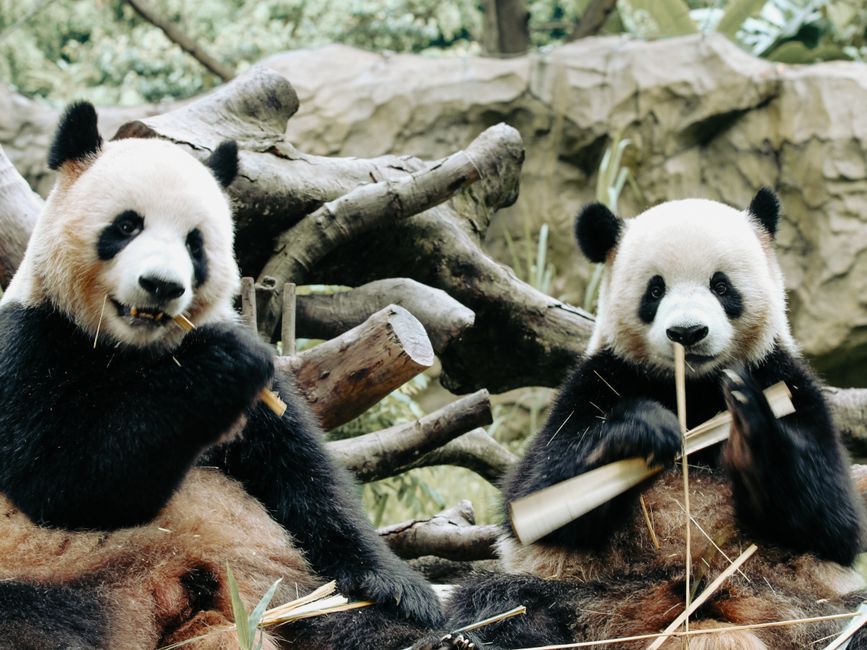
China dispatched two six-year-old giant pandas, Ping Ping and Fu Shuang, to the United States on Sunday, marking the start of a new 10-year conservation partnership. The transfer, which had been agreed upon previously, was announced on Thursday during Chinese leader Xi Jinping’s visit to Washington, following a summit described as symbolically heavy but lacking major strategic breakthroughs. The pandas departed Chengdu Shuangliu International Airport at 3 a.m. on a chartered FedEx Boeing 777, bound for Zoo Atlanta, where they will reside for the next decade.
Why it matters
For Zoo Atlanta, this arrival is a major operational reset. The zoo recently renovated its facilities and assembled a new caretaking team to welcome the pair, filling a gap that had left it without pandas since 2024. This shift redirects the institution’s curatorial and marketing priorities toward a flagship exhibit, likely altering local attendance patterns and operational budgets in the coming year. The move also secures a stable, long-term supply of bamboo grown locally in Atlanta, a climate that mirrors Chengdu, which stabilizes a niche agricultural sector for regional growers.
On the diplomatic front, the gesture provides a low-risk signal to domestic and international audiences that channels of communication remain open. It serves as a tangible, non-controversial point of contact for the U.S.-China diplomatic corps, allowing both sides to maintain bilateral engagement even as broader strategic friction persists. The pandas arrive just months after Beijing recalled two of its pandas from Japan following a diplomatic spat over Taiwan, underscoring how Beijing uses these loans to manage its soft-power narrative across different geopolitical relationships.
Whether this partnership yields deeper institutional collaboration, such as joint research or data sharing, remains uncertain. If political tensions resurface, the loan could be viewed by some as a superficial gesture, potentially facing public criticism if broader U.S.-China relations escalate. However, if the pandas integrate well and the exhibit is well-received, the loan is likely to be cited in diplomatic briefings as evidence of ongoing, functional engagement.
What to watch next
The primary test of this partnership will be the public reception at Zoo Atlanta in October. Positive media coverage and high attendance will signal a successful start, while a lackluster response could weaken the diplomatic value of the gesture. Analysts should also monitor for joint statements or conservation initiatives announced by U.S. and Chinese bodies over the next year. The absence of such follow-up would suggest the loan is a symbolic rather than structural step in bilateral relations, while co-authored scientific papers or shared grant funding would indicate a genuine shift toward institutional cooperation.
Comments
No comments yet.