What changed
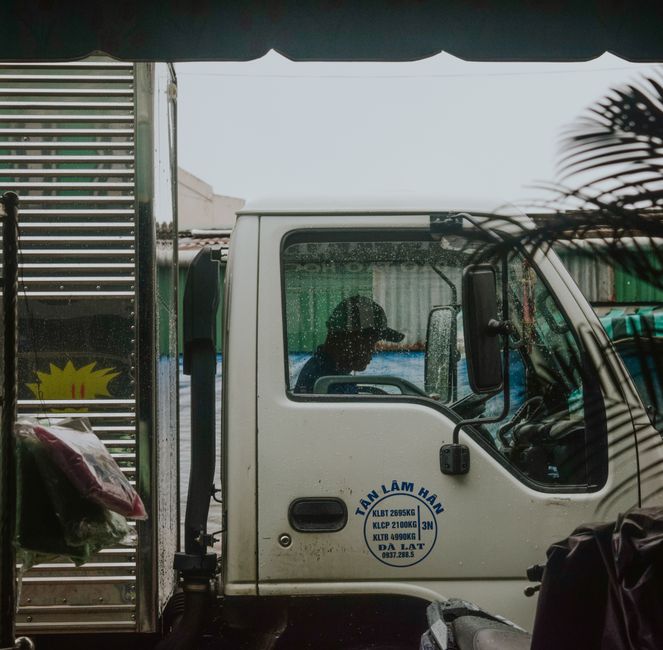
The New Yalu River Bridge opened in October 2026, linking Dandong with North Korea. Since then, tighter customs checks and movement controls have cut into the extra income Chinese truck drivers earned by carrying parcels into North Korea.
Why it matters
The bridge has changed more than the route between two places. It has also changed who controls the small, informal transactions that grew around cross-border trucking.
For Chinese drivers, parcel-ferrying was a side business. That income is now harder to earn as North Korean customs authorities tighten checks and restrict movement. The practical result is simple: the bridge may make crossing more controlled even as it provides a new link between Dandong and North Korea.
The broader outlook is uncertain because lost income, traffic volumes and the bridge’s full route and capacity have not been quantified. If the tighter controls persist, drivers who depended on parcels will have to operate within a narrower set of permitted movements.
Comments
No comments yet.