What changed
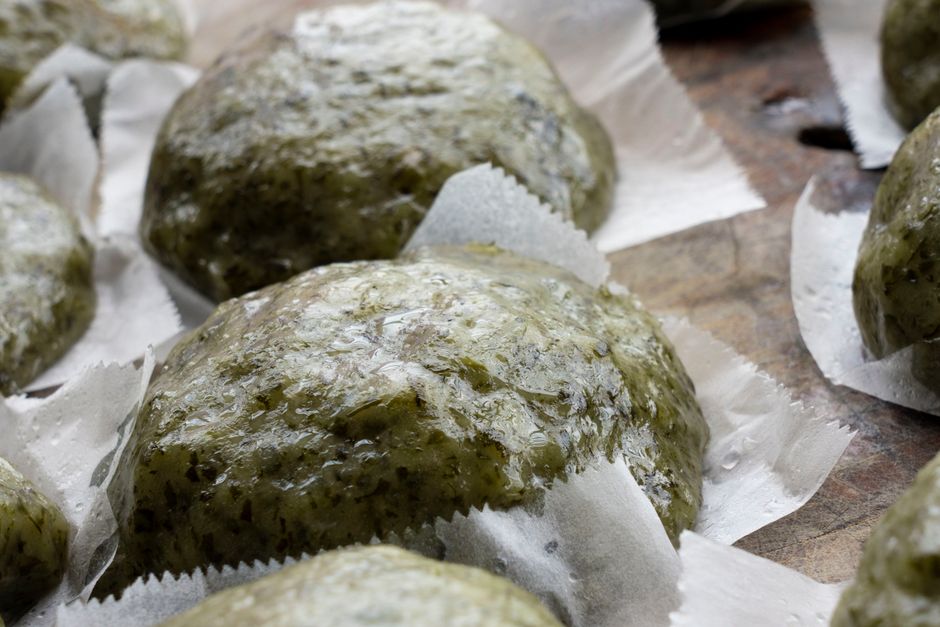
Liguao glutinous rice cakes are moving from a traditional household food into a local specialty tied to rural industry and tourism in Liguao Town, Liujiang District, Liuzhou, Guangxi. Zhong Huiqun, the craft’s tenth-generation inheritor, still makes the cakes by hand using locally grown glutinous rice and is teaching the method to her daughter, Yang Yamin.
Why it matters
The change is small enough to fit in a wooden mould, but it is creating a wider local livelihood. Villagers are learning to make and sell the cakes, while demand comes from shops, online reservations and traders from nearby counties. Orders rise around the Mid-Autumn Festival and Double Ninth Festival, when the cakes are bought for home use and gifts.
The recipe also keeps the product closely tied to place. The rice flour is roasted, ground and fermented before being mixed with sugar oil and fillings such as black sesame, crushed peanuts and candied winter melon. That combination of local ingredients and hand processing gives the cakes a clear identity, rather than turning them into just another packaged snack.
The next test is whether that identity can support steady work beyond festival peaks. Liujiang authorities say they plan to strengthen heritage protection and connect the craft more deeply with rural industry. For now, the documented result is more modest but tangible: a family skill is being passed on, and more villagers are finding a way to participate in making and selling it.
Comments
No comments yet.