What changed
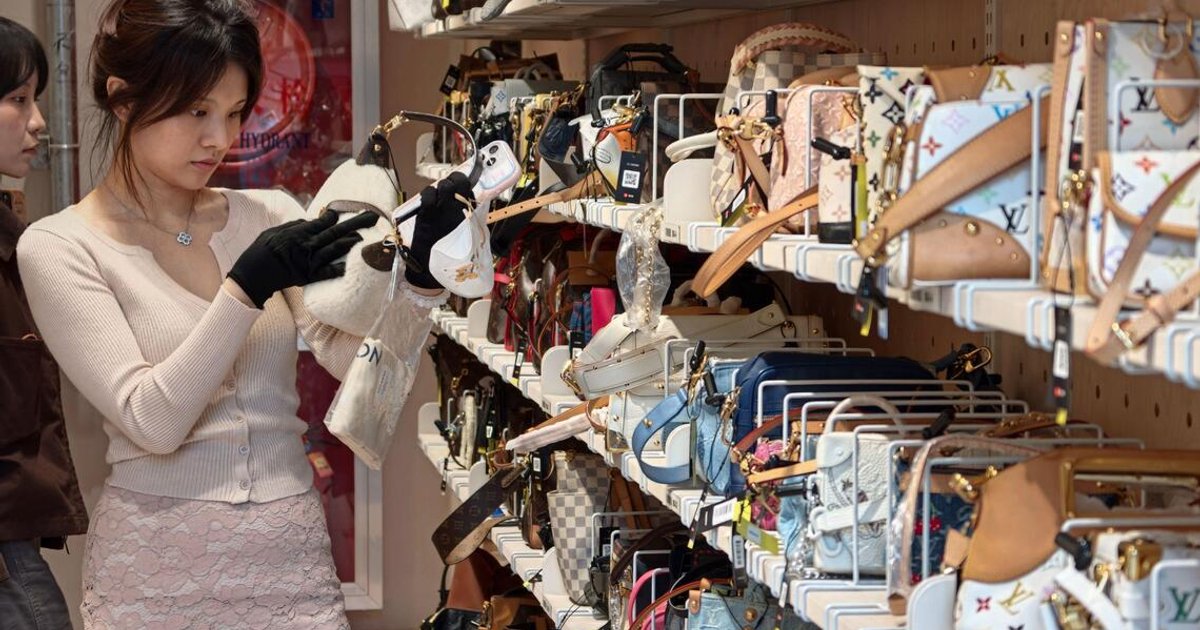
China’s luxury market is shrinking as shoppers turn to second-hand goods and domestic brands. Mainland personal luxury sales fell 3% to 5% in 2025, while the second-hand market grew 15% to 20%; Louis Vuitton closed five mainland stores in two years, and Galeries Lafayette shut its Beijing flagship in May.
Second-hand sales reached an estimated 38.4 billion yuan in 2025 and could exceed 100 billion yuan by 2030. That forecast is not guaranteed, but the direction is clear: value is replacing display as the organising principle of luxury shopping.
Why it matters
This is more than a softer quarter for Western fashion houses. China once represented about one-third of worldwide luxury spending, so a lasting shift in what Chinese shoppers want would force global brands to rethink stores, products and marketing in one of their most important markets.
The change is also cultural. Shoppers increasingly mention self-identity, quality, experience, emotional value and cultural relevance instead of status alone. A 24-year-old customer described Louis Vuitton’s monogram as dated and said Gen Z shoppers would rather buy trendy Korean brands. At Shanghai’s Super Zhuanzhuan store, buyers compare who found the better deal, not who spent the most.
The informed outlook is that Western labels will need to earn relevance repeatedly rather than rely on inherited prestige. China’s highly digital, social-media-driven retail environment makes that harder: a familiar logo may still open the door, but it no longer guarantees attention once shoppers can choose cheaper pre-owned pieces or brands that feel closer to their own identity.
Comments
No comments yet.