What changed
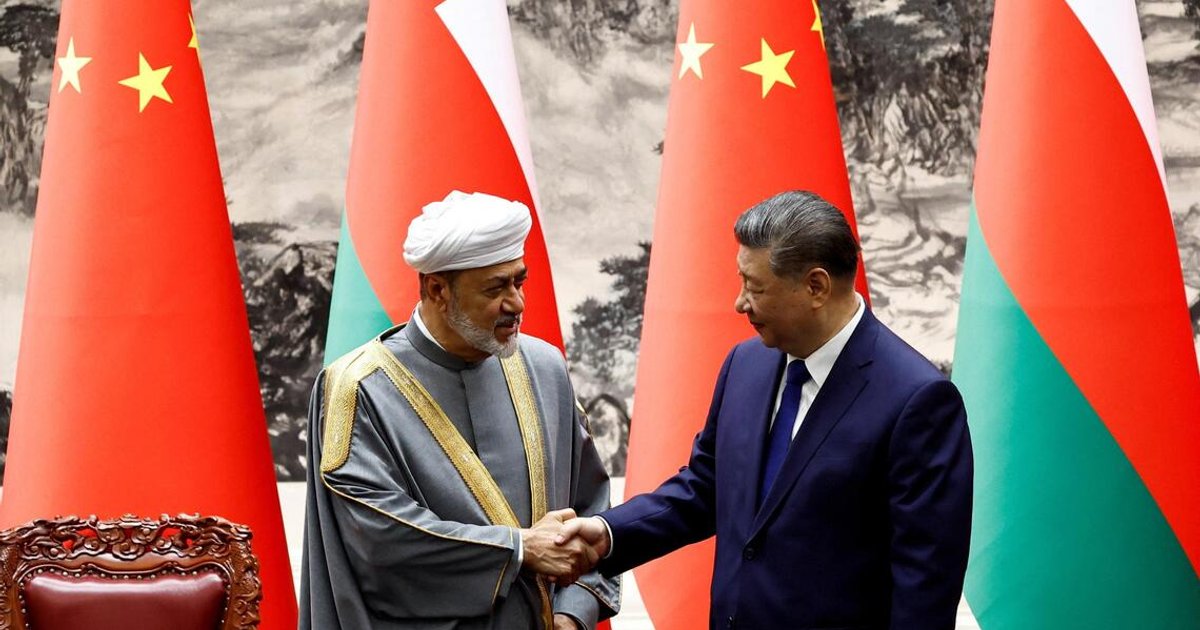
Chinese President Xi Jinping said the Middle East and Gulf should not become a battleground for great-power rivalry during Omani Sultan Haitham bin Tariq al-Said’s visit to Beijing on Nov. 2, 2026.
China said special envoys will soon visit the region to promote engagement and de-escalation. Haitham said Oman is open to a preferential trade and investment agreement with China, but no deal has been announced.
Why it matters
The timing gives Xi’s message practical weight. The conflict involving the United States, Israel and Iran has snarled the Strait of Hormuz and pushed up global energy and shipping costs. China is now presenting itself as a diplomatic partner for Arab states, including the Gulf Cooperation Council countries, as the crisis threatens routes and markets far beyond the region.
Oman’s backing helps that effort. Haitham called for disputes to be settled peacefully and linked national prosperity to security, sovereignty and international law. Oman is China’s largest trade partner, exports crude oil and energy products to China, and is seeking deeper cooperation in renewable-energy supply chains and digital commerce.
The proposed trade and investment agreement could broaden those ties, while direct flights between Beijing and Muscat, launched in November 2025, have already strengthened business and tourism links. China and Oman established diplomatic relations in 1978, making Haitham’s visit the first by an Omani head of state to Beijing since then.
China’s envoys may create more channels for contact, but it is not yet clear whether they will secure negotiations or reduce the conflict.
Comments
No comments yet.