What changed
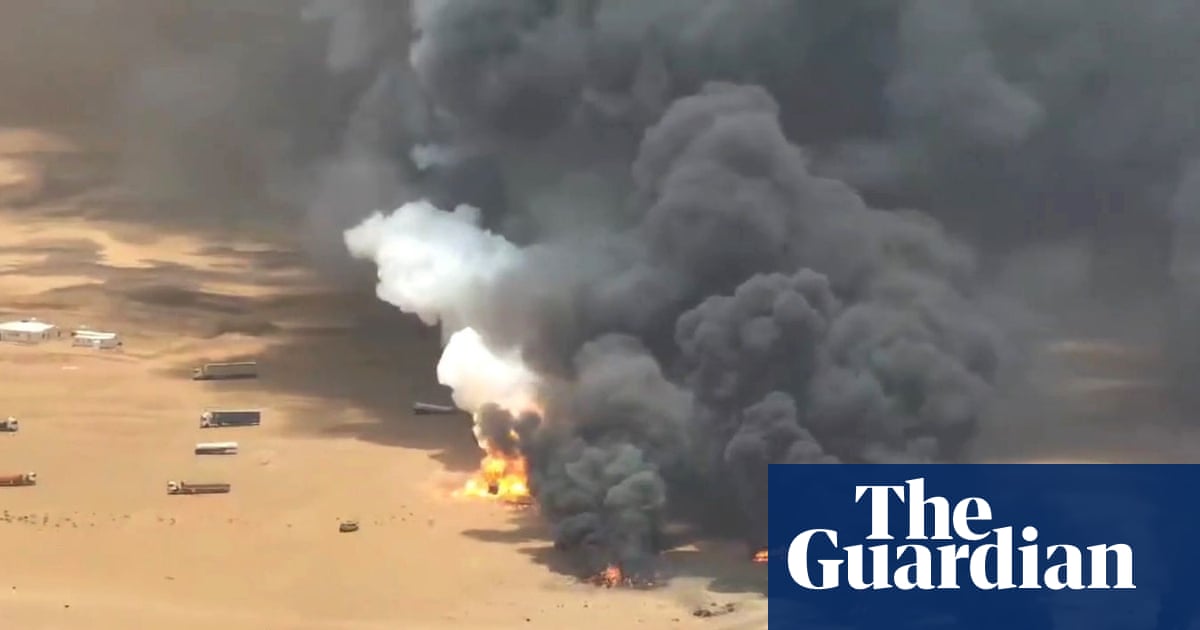
Yemen’s Iran-backed Houthis struck four Saudi cities overnight with reported drones and missiles, saying they targeted an airbase at Khamis Mushait and oil-related sites in Abha, Najran and Saudi Aramco’s facility at Jizan. Saudi authorities said 73 people, including women and children, were injured and oil installations caught fire; Saudi Arabia said it would retaliate. The Guardian World
Jizan, near Yemen’s border, hosts one of Saudi Arabia’s biggest refineries. Brent crude rose more than 2% on Tuesday to above $99 a barrel as Iran and the US resumed exchanges of fire after a relatively calm August. The Guardian World
Why it matters
The immediate costs fall on residents of the targeted cities, Saudi oil-site operators and Saudi security forces. Fires can require inspections, repairs and tighter protection, while Riyadh’s retaliation pledge may draw military capacity toward both a response and defence of southern infrastructure.
The longer chain reaches beyond Saudi Arabia. If damage, safety measures or tanker-security risks restrict refining, exports or shipping, crude and freight markets may retain a higher risk premium. Suppliers could then raise wholesale prices, and fuel buyers dependent on Middle East petroleum products could face higher costs where those increases can be passed through. That outcome depends on disruption lasting long enough to affect operations and purchasing; rapid restoration, alternative supplies or routes, inventories, and temporary absorption of costs by governments or retailers could limit it.
The historical parallel
A Houthi attack set fire to Saudi Aramco’s North Jeddah Bulk Plant on 25 March 2022. The following day, the Saudi-led coalition struck Sana’a and Hodeida; the Houthis then announced a three-day truce and raised the prospect of a permanent ceasefire. The Guardian’s 2022 report
That precedent suggests retaliation can be followed by a short pause. But it is an imperfect guide: the earlier attack centred on a Jeddah storage depot, while the current strikes span several southern cities, caused 73 reported injuries, included refinery-area targets and coincide with Red Sea tanker threats and the wider US-Israel-Iran war.
How the effects could spread
Houthi strikes and fires at Saudi oil-related facilities → inspections, repairs and heightened protection may constrain refinery, export or shipping operations → traders may price higher supply and freight risk → suppliers may revise wholesale fuel prices → fuel buyers may pay more if higher costs persist and can be passed through.
The chain weakens if facilities quickly return to normal, other producers or inventories offset lost supply, alternative shipping arrangements work, or higher wholesale costs are temporarily absorbed.
Impact assessment
| Stakeholder | Effect and horizon | |---|---| | Residents of targeted Saudi cities | Immediate physical-security exposure after the reported 73 injuries; further strikes or retaliation could raise risks. | | Saudi oil-facility operators | Potential repair, safety and security costs over days; the extent of operational disruption remains unconfirmed. | | Saudi security and military forces | Greater operational demands over days as retaliation and infrastructure protection compete for capacity. | | Red Sea shipping and oil-tanker operators | Routing and security uncertainty over weeks if threats continue, potentially increasing freight costs. | | Fuel buyers dependent on Middle East supplies | Conditional exposure over weeks: sustained refinery, export or shipping disruption could raise wholesale fuel costs. |
Scenarios
Our outlook (informed speculation):
Most likely: If affected facilities operate or recover without a prolonged outage and tanker traffic is not materially disrupted, Saudi Arabia strengthens protection around southern energy infrastructure and carries out a limited retaliatory response over days to weeks. Oil retains a security premium but avoids a sustained supply shock. Contained-damage or restored-operations statements, limited Saudi action and Brent easing without verified supply disruption would support this path; confirmed production, refinery or export constraints would weaken it.
Upside: If both sides limit military action after the initial exchange, attacks on Saudi territory could pause, oil-facility operations and tanker routing could normalize, and the crude-price security premium could decline over weeks. A Houthi pause, Saudi confirmation of normal operations and fewer reported attacks would support this outcome; expanded Saudi operations, new tanker attacks or additional fires would undermine it.
Downside: If repeated strikes cause verified facility outages, export constraints or persistent tanker-security incidents, refinery-area operations could be curtailed and shipping operators could shift routes or capacity over weeks to months. Higher crude and freight costs could then reach fuel buyers through wholesale prices. Sustained Brent gains after verified disruption, tanker rerouting or reduced Red Sea traffic would support this case.
What to watch next
- Saudi authorities or Saudi Aramco confirming shutdowns, reduced capacity, repairs or normal operations at Jizan and other targeted sites.
- Saudi Arabia or the Saudi-led coalition acting on its retaliation pledge.
- Further Houthi attacks on Saudi territory or Red Sea oil tankers, or an announced pause.
- Whether Brent remains elevated after verified infrastructure or shipping disruption, or retreats after operations and routes stabilize.
Comments
No comments yet.