What changed
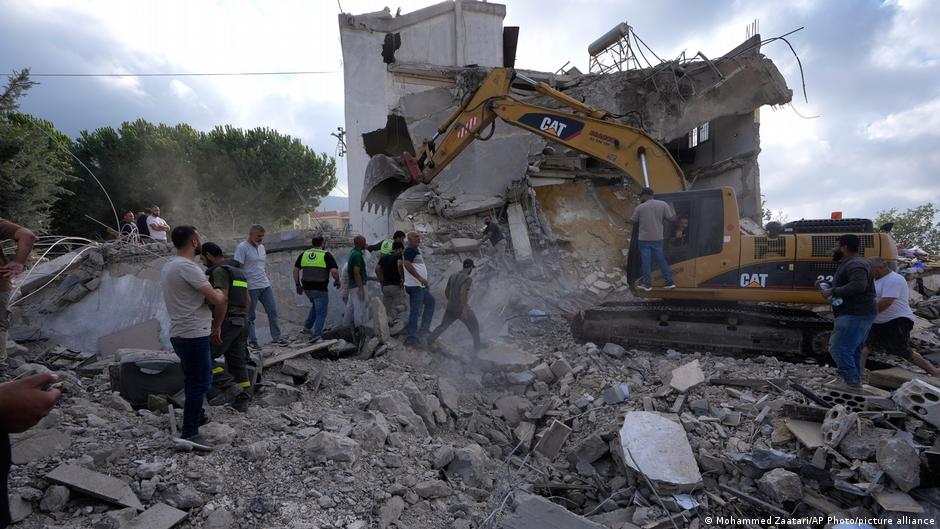
Based on DW’s reporting, Israeli strikes in southern Lebanon on September 6 killed at least four people and wounded about 20, including children, despite a ceasefire. The IDF said it acted after Hezbollah allegedly launched two drones toward soldiers; Lebanon’s Health Ministry said strikes destroyed homes in Arab Salim and a disused hospital near Nabatieh al-Fawqa.
Why This Matters
A ceasefire that still permits deadly retaliatory exchanges is a thin shield for people living near the security zone. An evacuation alert can turn a village home into a place to flee; a strike on a building previously used as a hospital can make nearby care less dependable if it still supported local services.
Our outlook (informed speculation): if alleged drone incidents and retaliatory strikes continue, daily movement around southern villages is likely to become more cautious and more constrained. The practical question is not whether the truce still has a name. It is whether it changes behaviour before the next alert arrives.
The historical parallel
In a UN account of the April 1996 Israel-Lebanon partial ceasefire, Israel-Hezbollah hostilities continued amid competing claims of self-defence and ceasefire violations, with civilian areas central to the dispute. That arrangement had a five-party monitoring group, while the current report does not establish an equivalent process and concerns alleged drones and strikes on named sites.
The following year was tense and volatile, with rising hostilities and civilian casualties, although the monitoring group was reported to have reduced shelling intensity in the UN’s 1997 account. The lesson is narrow but useful: a truce can limit a particularly harmful pattern without ending the confrontation. What matters now is whether there is a credible way to address alleged violations before civilian locations again become part of the response.
How the effects could spread
The direct harm is clear: deaths, injuries and destroyed buildings. If the former hospital or nearby sites had an active support role, and if further alerts or strikes constrain movement, remaining local providers could have less capacity to offer care, shelter or other help.
That chain can break if alternative facilities and accommodation are accessible, the building had no current service role, or attacks stop. Those details determine whether one strike remains a local tragedy or becomes a wider access problem.
Impact assessment
Residents in affected southern Lebanese villages are the immediate losers: reported casualties and destroyed homes create physical danger and disrupt ordinary access to services.
Local health-service providers are exposed over the coming weeks. The destroyed building was described as a former hospital, so its current role is unclear, but any continuing operational or support function could shift demand onto nearby facilities.
Ceasefire enforcement efforts are also under pressure. Israel says it acted against Hezbollah threats; Lebanese authorities describe grave violations. If each alleged breach is answered militarily, the truce may remain formally intact while offering less practical restraint around populated areas.
Scenarios
Most likely: If alleged Hezbollah activity and Israeli threat-removal operations recur, localized exchanges and evacuation alerts could continue over coming weeks, narrowing residents’ movement and straining nearby services while the ceasefire formally survives. This is the baseline because the reported incident already combines an alleged attack, a retaliatory explanation and civilian-area harm. Further alerts, strikes and ceasefire appeals without a new enforcement arrangement would strengthen it.
Upside: If a credible restraint and de-escalation process addresses alleged violations before retaliatory strikes occur, attacks near populated areas could decline over six to 12 months. That could let households and local facilities operate more steadily even while wider tensions persist. Fewer alerts, fewer reported civilian casualties and a publicly described monitoring or complaint process would support this path.
Downside: If each side continues to treat alleged violations as grounds for military response, repeated strikes and warnings could spread disruption to additional villages over weeks or months. Residents may leave affected areas more often, while local providers face less reliable access and greater demand elsewhere. More damaged homes or service sites, higher reported casualties and repeated interruptions would point in that direction.
What to watch next
- Further Israeli evacuation alerts or strikes in southern Lebanon.
- Further reported Hezbollah drone or other attacks toward Israeli forces.
- Whether Lebanese authorities report disrupted, relocated or restored local health access after the former hospital’s destruction.
- Whether Lebanon and international actors publicly describe a monitoring, complaint or de-escalation response.
Comments
No comments yet.