What changed
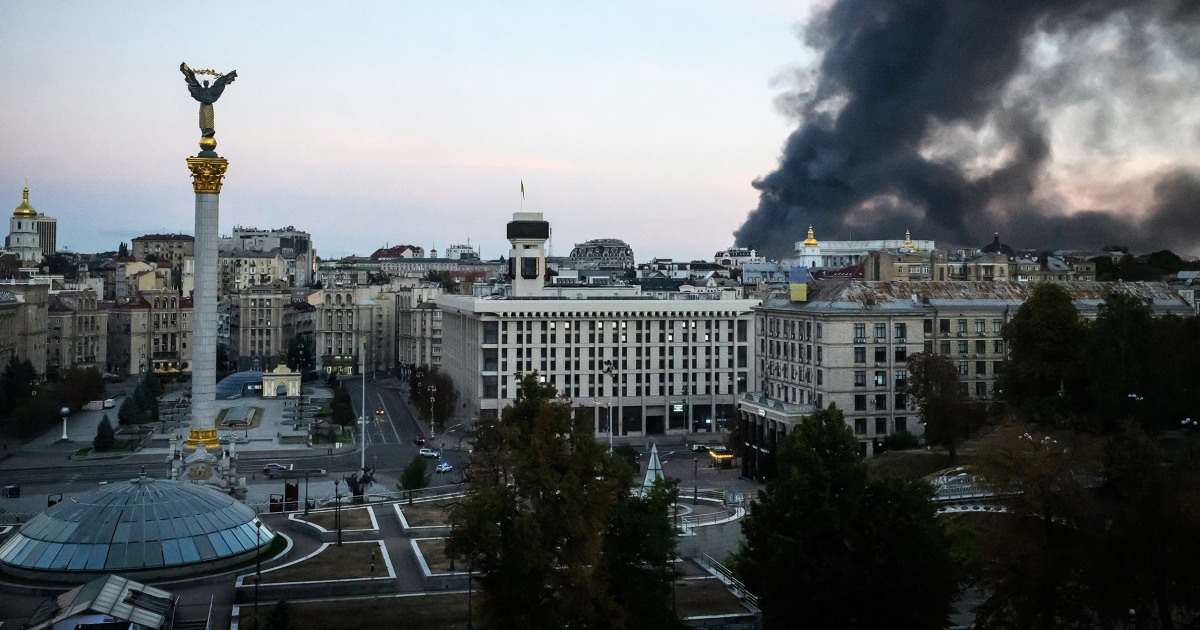
Based on NBC News World’s report, Russia struck Kyiv and other Ukrainian regions overnight Tuesday with drones and missiles, ending a weekend pause during visits by U.S. envoys Jared Kushner and Steve Witkoff. Two people were killed and at least 10 injured in Kyiv; Ukraine said it intercepted or suppressed two ballistic missiles, 31 cruise missiles and 142 drones, while hits were recorded at 29 locations.
Why This Matters
The immediate human cost is plain: homes burned, people were evacuated and rescue crews worked across Kyiv. But the strike also turns a diplomatic visit into a harsher test. A pause can make talks feel tangible; a renewed mixed attack makes safety, repairs and basic movement the urgent business again.
The report does not establish Russia’s purpose in the timing or target selection. Still, the practical effect is already visible: Kyiv must divide attention between diplomacy and emergency response, while a hit on a Kyiv-Sumy locomotive puts a vital everyday connection under pressure.
How the effects could spread
If the locomotive or its station needs repairs and safety inspections, Kyiv-Sumy services could lose equipment or capacity. That could mean delayed journeys and altered logistics for commuters and businesses relying on the route.
That chain can break quickly if the locomotive remains usable, replacement equipment is available, or trains can be rerouted without material delay.
Impact assessment
- Residents in affected Kyiv districts: immediate losers. Fires, damaged residential buildings, evacuations and rescues can mean displacement and interrupted access to homes and local services.
- Emergency services: exposed immediately. Multiple fires and rescue operations pull crews and equipment toward life safety and damage response.
- Kyiv-Sumy rail users: exposed over the coming days. Service resilience could weaken if inspections or repairs take equipment out of use.
- U.S. envoys and the renewed peace effort: mixed. The talks may continue, but the security environment has become more difficult.
Scenarios
Most likely: Our outlook (informed speculation): if damage remains localized enough for emergency repair and substitute transport arrangements, crews will stabilize damaged sites and assess the rail equipment over days to weeks while diplomacy continues. This is the most plausible path because the reported damage is serious but no prolonged rail closure or end to talks has yet been reported. Signs supporting it would include completed rescues, controlled fires, normal or substituted Kyiv-Sumy service, and continued meetings.
Upside: If structural damage is limited, inspections are passed and repair resources are available, housing support and transport access could return quickly. That would free emergency capacity from rescue work toward recovery, unless follow-on strikes expand the damage footprint. Rapid reopening, near-normal rail operations and no new material damage would support this outcome.
Downside: If mixed attacks continue and damaged assets cannot be repaired or replaced promptly, emergency deployments and transport changes could last weeks or longer. Residents and local businesses would face more disrupted access, while diplomacy operates in a more fragile setting. Further infrastructure hits, repeated evacuations or persistent Kyiv-Sumy service changes would point in that direction.
What to watch next
- Whether Kyiv authorities report fires extinguished, rescues complete, or additional casualties and damage.
- Whether the Kyiv-Sumy rail connection shows cancellations, delays, rerouting or a return to normal service.
- Whether Kushner, Witkoff and Ukrainian officials continue meetings tied to the renewed peace effort.
Comments
No comments yet.