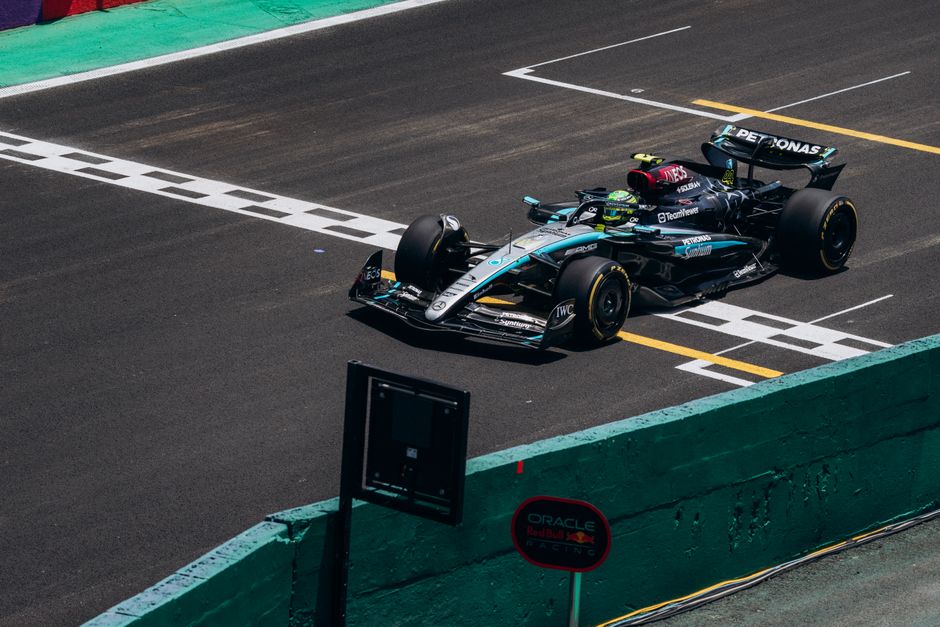
Lando Norris secured pole position at the Dutch Grand Prix after rain arrived in the final minutes of qualifying, allowing him to improve when it mattered most. According to Formula 1, George Russell took second and Kimi Antonelli third, with the late weather shift reshuffling the entire grid.
Your commute decides what you share. Marco, a logistics coordinator in Vienna, was on his tram to the office when the Dutch Grand Prix qualifying finished. He wanted to post the result to his team chat before stepping out at his stop, but he'd made this mistake before.
Three weeks earlier, he'd shared a grid that changed within the hour, thanks to a penalty handed down after he'd already posted. His team's group chat filled with messages asking which version was right. By the time a corrected final order came through, the whole discussion felt unreliable. This morning, he wasn't going to repeat it.
The posts on his phone told three different stories. One had Antonelli fourth, not third. One showed Russell's gap as massive, another showed it as tiny. Most were screenshots of times with no outlet named, no timestamp, no way to know if anyone official had confirmed this yet. Marco had learned the hard way: a screenshot with no source is just a guess you're helping spread. He needed confirmation.
He opened Sports News. The qualifying order sat there, clear: Norris, Russell, Antonelli. But what changed was the source chip next to each name. He could see exactly which outlet reported each detail. The result came directly from Formula 1, final, not provisional. He didn't have to wonder or second-guess.
He shared it to the team chat. No one asked which version was right. No correction came an hour later. No follow-up message saying the order had changed. By the time he reached the office, the result had already started circulating without a doubt attached. His name was on it, and it was solid.
Why the rain rewrote qualifying
Qualifying started dry and teams felt settled in their positions. Then the rain arrived, late in the session, after drivers had mostly finished their runs. According to Formula 1's official reporting, the improved track conditions in those final minutes gave drivers one more window to find speed.
For Norris, it meant the lap that decided pole came on one of the last attempts, when the decision to stay out on track could have cost him everything if it hadn't worked. Russell had his time set earlier, before the conditions improved. Antonelli got a late run but not quite the lap Norris found. In three minutes of late rain, the grid reshuffled entirely.
What a source chip does
A qualifying result shifts hours after the session ends. Penalties land. The FIA reviews incidents. A post that reads "according to Formula 1" tells you where that claim came from and whether it's final. A post that's just a number, re-shared three times over, tells you almost nothing about whether it's confirmed or contested, finished or provisional.
Marco's earlier mistake had come from trusting the second kind. A screenshot looked official enough. It had a grid order, lap times, everything that looked like a result. But when the penalty came through, he realized he'd never actually checked who'd published it or when.
This time, the source mattered before the share. He could see that Sports News was showing him Formula 1's actual decision, not someone's interpretation of it. A few seconds of checking meant his team got the answer right the first time.
Share after you've confirmed
The rain had arrived late enough to reshuffle the grid. Marco's habit had shifted too. Check the source before the share. It takes no longer than reading three posts: in fact, it usually takes less time, because you're not scrolling through conflicting versions wondering which one to trust.
The commute is when the result matters most to your team or your feed. It's also when you have just enough time to get it right. A qualifying result that carries its source is a result you can share with confidence.
Comments
No comments yet.