You can learn when the draw starts, what it decides and who supplied each update before the next stop. A football-first briefing puts the key UEFA information first and keeps the named outlet beside every claim.
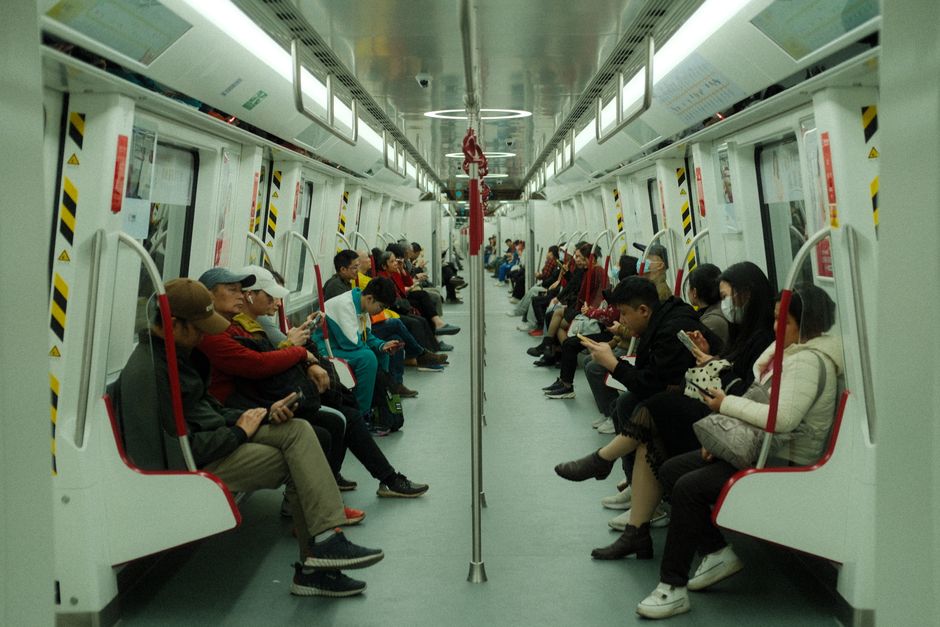
Picture Amir, a composite supporter standing on a crowded train through Manchester. It is late afternoon. His club scarf is folded inside his work bag, one earbud is missing, and the group chat has already moved from team news to the draw. He has one station left before he loses signal on the walk out.
One message says the draw starts “around six.” Another says the first fixtures begin the following week. A third names a possible opponent as though the pairing has already happened.
Amir has enough time to check one version. If he shares the wrong start time, he misses the opening and sends the group chat chasing a fixture that does not exist. For one stop, that is the bad ending on the table: wrong time, wrong stakes, no visible source.
Start with the confirmed time
UEFA says the 36-team league-phase draw begins at 18:00 CET on Thursday 27 August. UEFA also says the league phase starts on 8 September.
Those two details do different jobs. The first tells Amir when to watch. The second tells him how quickly the competition moves from draw night to football.
The source matters as much as the time. “18:00 CET, according to UEFA” gives him a claim he can check. “Around six” leaves him wondering which time zone the sender meant and where the information came from.
This is why Sports News carries headlines verbatim from named outlets and shows the source on screen. The outlet sits in the same breath as the update. You do not need to pause a vertical video, search the caption and work backwards through an account’s reposts to find the origin.
Amir sees UEFA attached to the timing. The train doors open. He now knows when the draw begins, and he knows why that time deserves more weight than the guesses in his chat.
Understand what the draw changes
A start time only gets Amir to the event. The stakes tell him why he should care.
The draw shapes the league-phase path for 36 teams. For a supporter, the immediate question is concrete: who will the club face when the league phase begins? That answer affects the next round of group-chat arguments, travel conversations and judgments about the road ahead.
This is where rushed updates can blur three separate moments. There is the confirmed draw time. There is the draw itself. Then there are the reactions, predictions and debates that follow.
Keeping those moments apart protects the facts. Before the draw, an outlet may report possible scenarios. During it, confirmed pairings emerge. Afterward, analysts and supporters assess what those pairings mean. Sports News passes through the outlet’s actual headline rather than promoting speculation into fact.
The same discipline matters beyond UEFA nights. Transfer coverage can turn “reported interest” into “deal done” within two reposts. The two-second hesitation that costs you trust in every transfer claim explains why checking the outlet before sharing changes the whole conversation.
Read the source before the reaction
Amir reaches the pavement with the confirmed timing saved in his head. His group chat is still moving. One friend posts a screenshot with the account name cropped out. Another replies with three question marks.
He does not forward it.
Instead, he checks for the outlet attached to the claim. That small pause separates reporting from repetition. A named source does not make every interpretation correct, but it gives Amir somewhere to begin: who published this, and what did they actually say?
Sports News makes that check visible. Every story carries its outlet on screen through a source chip. EPL, Champions League and transfer updates lead the briefing, while NBA and Formula 1 stories sit alongside them. The ordering matches the moment Amir opened his phone for: football first, source visible, short enough to finish between stops.
The approach also keeps club rivalry from deciding which facts count. A supporter on the other side should see the same headline, the same attribution and the same distinction between a confirmed update and somebody’s reaction to it.
That discipline becomes especially useful when an exciting claim is built to travel faster than its source. What happens when a transfer rumor finally names its source? follows the same principle in another high-noise part of football coverage.
Make the next stop your cutoff
The easiest habit is a short one. Before sharing a draw update, check three things: the start time, the competition consequence and the named outlet.
If one is missing, wait. A screenshot can survive another stop. Your credibility in the group chat takes longer to repair.
Amir reaches the corner outside the station and sends a single message: UEFA says 18:00 CET on Thursday 27 August, and the league phase starts on 8 September. No invented opponent. No confident guess dressed as news. No cropped screenshot asking everyone else to trust the account that posted it.
His phone goes back into his pocket. The draw still has surprises left. The basic facts do not.
Comments
No comments yet.