What changed
Boston Dynamics employees are protesting the sale of four modified Spot robots to US Immigration and Customs Enforcement. ICE awarded Connecticut company Radeco a $1.3 million contract on September 25, 2026, while more than 300 Boston Dynamics workers had already petitioned executives to stop the deal.
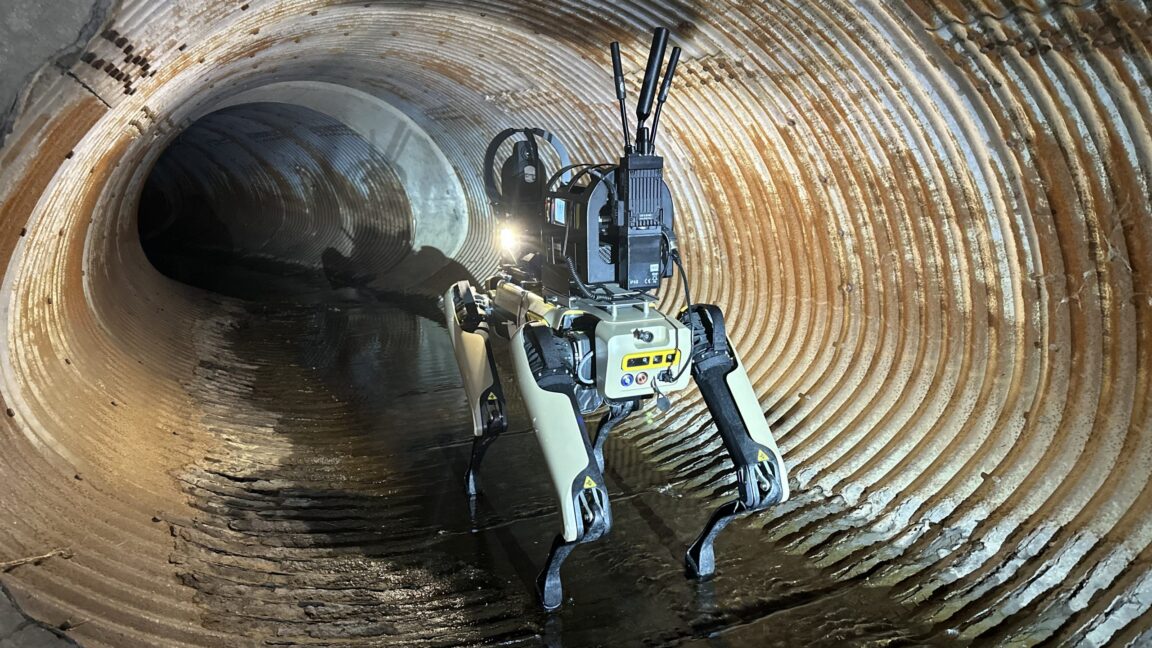
The robots, marketed by Radeco as Cerberus, are designed for remote sensing and inspection. They include radiation, toxic-gas and explosive-threat detection, 30-times zoom, panoramic and thermal cameras, and an optional arm for opening doors or manipulating objects. Boston Dynamics says they will not be weaponized and is standing by the sale.
Why it matters
This is a deployment question disguised as a hardware sale. Spot is not merely a camera on four legs: Cerberus can navigate complex industrial spaces and carry out repeatable autonomous missions with limited human intervention. That changes how much of a dangerous environment can be inspected remotely, and how little direct exposure personnel may face.
ICE says the purchase supports Homeland Security Investigations missions involving cross-border tunnels and human-smuggling networks. The stated use is detection and observation, not armed enforcement. Still, the employee petition shows the ethical boundary is contested inside the company that builds the platform.
More than 300 signatures represent roughly one-fifth of Boston Dynamics’ approximately 1,400 workers. That makes the protest substantial, but it does not yet show that the contract or the robots’ eventual use will change. The next meaningful signal is whether executives alter the deal, or whether ICE and Radeco disclose more about where and how Cerberus will operate.
Comments
No comments yet.