What changed
Endurance Energy tested the world’s first subsea geothermal power plant near Axial Seamount in September 2026, roughly 5,000 feet below the Pacific’s surface. Its 3-ton prototype, Adélie, produced less than 10 seconds of net-positive electricity after a three-week deployment.
Why it matters
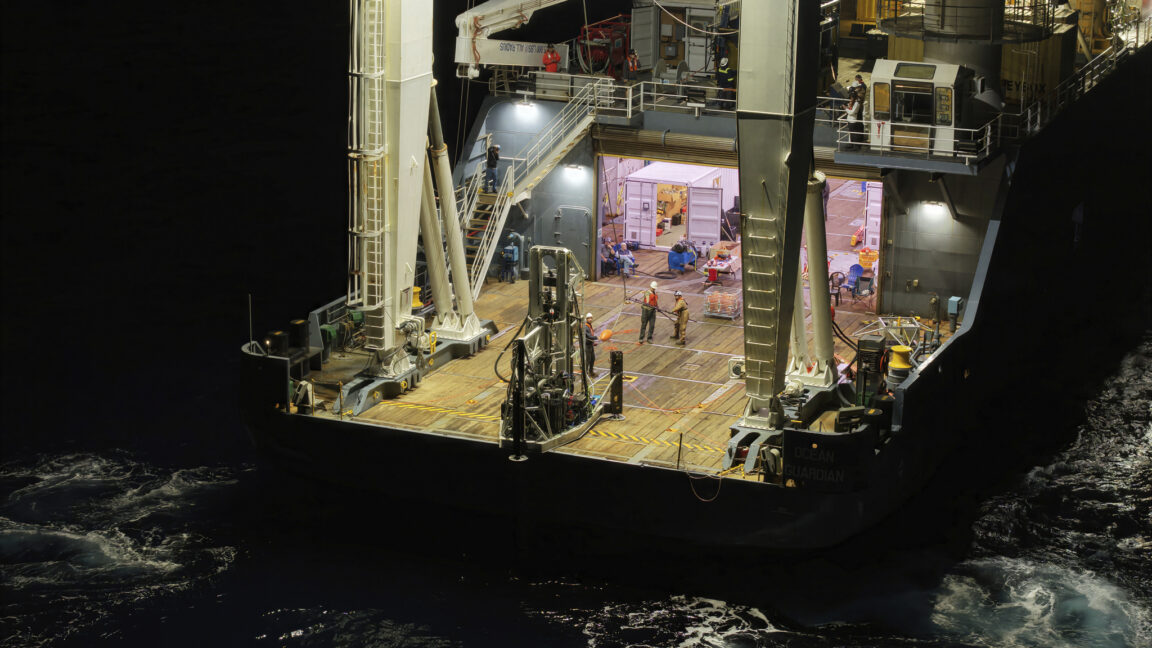
The experiment proved the basic plumbing can work: drill into the seafloor, capture hydrothermal fluid measured at about 500°F (260°C), and use it to spin a turbine. The test used Ocean Guardian, a subsea lander drill, and the University of Washington’s 559-mile Regional Cabled Array for power, connectivity and control.
But the first well was only 52 feet deep and 2 inches wide. It did not deliver enough fluid to keep Adélie running. That makes this a technical proof point, not yet an energy business.
The appealing idea is clear. Deep seawater offers cooling, while ocean pressure helps keep the system compact and the well pressurized. Endurance Energy hopes larger, deeper wells could supply power to Pacific island nations and other customers that rely on imported fossil fuels.
The harder question is cost. Stanford’s Roland Horne said the approach is probably technically feasible but would undoubtedly cost more than land-based geothermal power. Informed speculation therefore points to scale, not the turbine, as the decisive test: deeper wells may provide reliable flow, but commercial deployment still has no established timetable and may struggle against cheaper alternatives.
Comments
No comments yet.