What changed
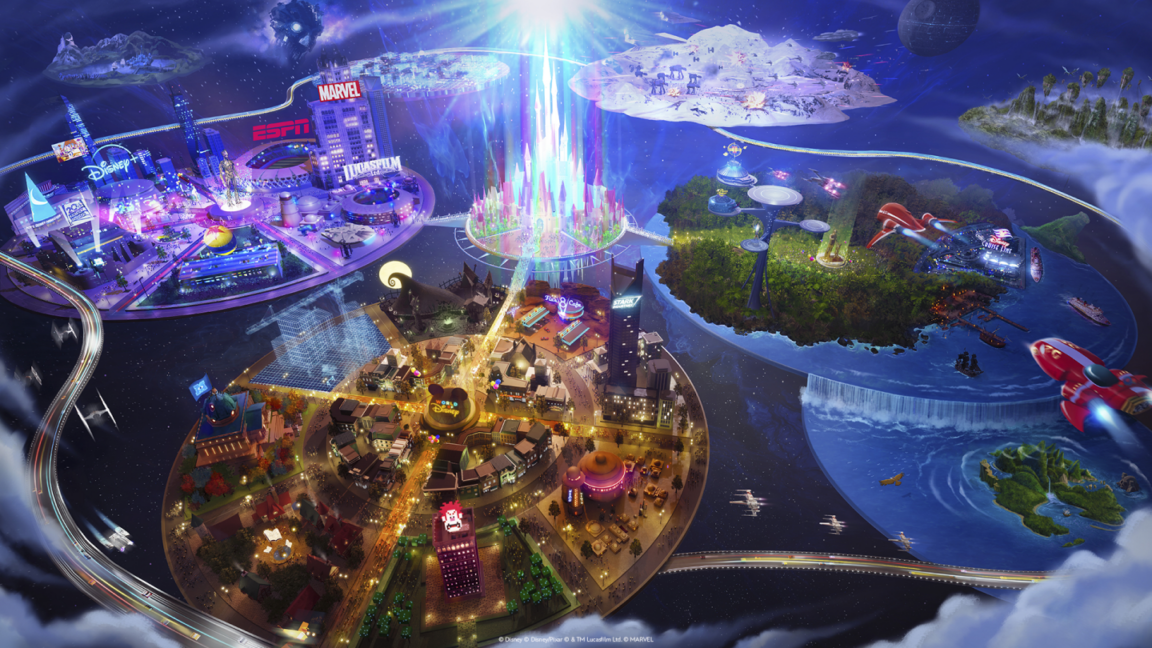
Epic Games is reportedly shifting its $1.5 billion collaboration with The Walt Disney Company to an “AI-first” development model, with AI models generating the code and guiding the artwork for a planned Marvel- and Star Wars-themed shooter. The game, once slated for March 2027, has been delayed indefinitely as Epic reorganizes development around tools including Anthropic’s Claude.
Why it matters
This is a much bigger test than adding an AI assistant to a developer’s toolbox. Epic is reportedly moving toward a workflow where human developers guide model-generated code and art, while Tim Sweeney says the goal is to let teams build “more and better” work rather than simply do the same work with fewer people.
That ambition now meets an awkward reality: Epic laid off more than 1,000 employees in March, and the Disney project was already understaffed and slower than expected. The delay makes the pivot look less like a polished productivity upgrade and more like a high-stakes reset of how a major game is made.
The quality question is unavoidable. A Fortnite Darth Vader character using an AI voice previously produced curse words and confusing remarks before Epic issued a hotfix. That incident was contained; an AI-first production pipeline would place similar questions across the game’s code, art and creative direction.
The broader industry is already experimenting with generative tools, but mostly for research and brainstorming. A cited survey found that 36 percent of game-industry professionals used them at work, while code assistance and prototyping were less common uses. Epic’s Disney project would push the technology far deeper into the production engine.
If Epic can turn that experiment into a stable, compelling game, it may offer a powerful blueprint for model-assisted development. If the delay stretches on or the result feels thin, the lesson will be just as useful: changing the machinery of creation does not automatically solve the hard parts of making a game.
Comments
No comments yet.