What changed
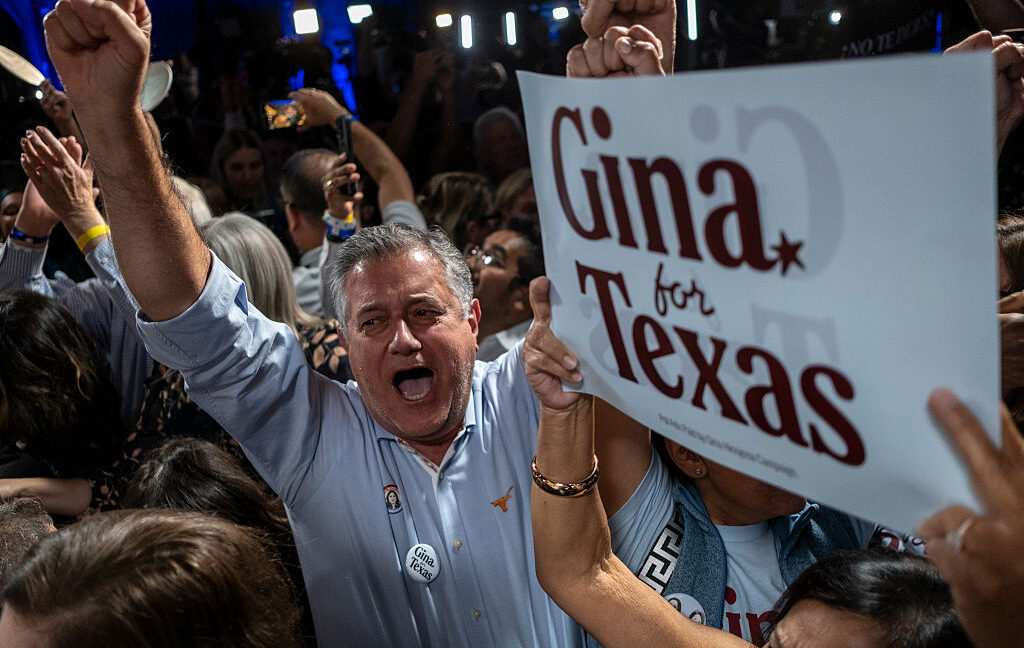
US voters backed a sharp increase in restrictions on AI data centers in yesterday’s elections. Of 44 measures across 10 states, 38 passed, including moratoriums, bans and new review requirements. In Texas, Democrat Gina Hinojosa won the governor’s race after campaigning on delays tied to water, electricity, air, property rights, household utility bills and tax incentives.
Why it matters
This puts friction directly into the infrastructure plan behind the AI boom. Projects already under construction or approved through 2027 may be less exposed, but future builds planned for 2028 now face a much tougher path.
Texas is the biggest pressure point. About 13 gigawatts of planned capacity are reportedly exposed to Hinojosa’s approach. Projects with power, permits and steel may continue, while those lacking state environmental permits could face delays of 12 to 18 months. Some developers may shift projects to Louisiana or Georgia. Others may abandon them.
The political shift is broader than Texas. Democrats also won governor races in Arizona, Georgia and Ohio, three other states that had been courting data-center development. Nearly two-thirds of projected 2028 data-center capacity could face similar delays.
The industry’s preferred distinction between an “anti-Trump” vote and an “anti-tech” vote is becoming hard to sustain. Whatever voters’ motives, the practical result is the same: AI companies must now negotiate more carefully with communities over power, water, pollution, property rights and public money.
The immediate outlook is uncertain because the duration and scope of any Texas pause remain unresolved. But the direction is clear: the next phase of AI expansion will depend less on announcing enormous facilities and more on securing permission to build them.
Comments
No comments yet.