What changed
Based on The Citizen Tanzania’s Reuters report, Tasnim said US forces struck an Iranian tanker with four missiles near the anchorage at Kharg Island on September 5. Tasnim’s local sources said the crew was being evacuated and there were no casualties; Iranian authorities and US Central Command had not immediately confirmed the account.
Why This Matters
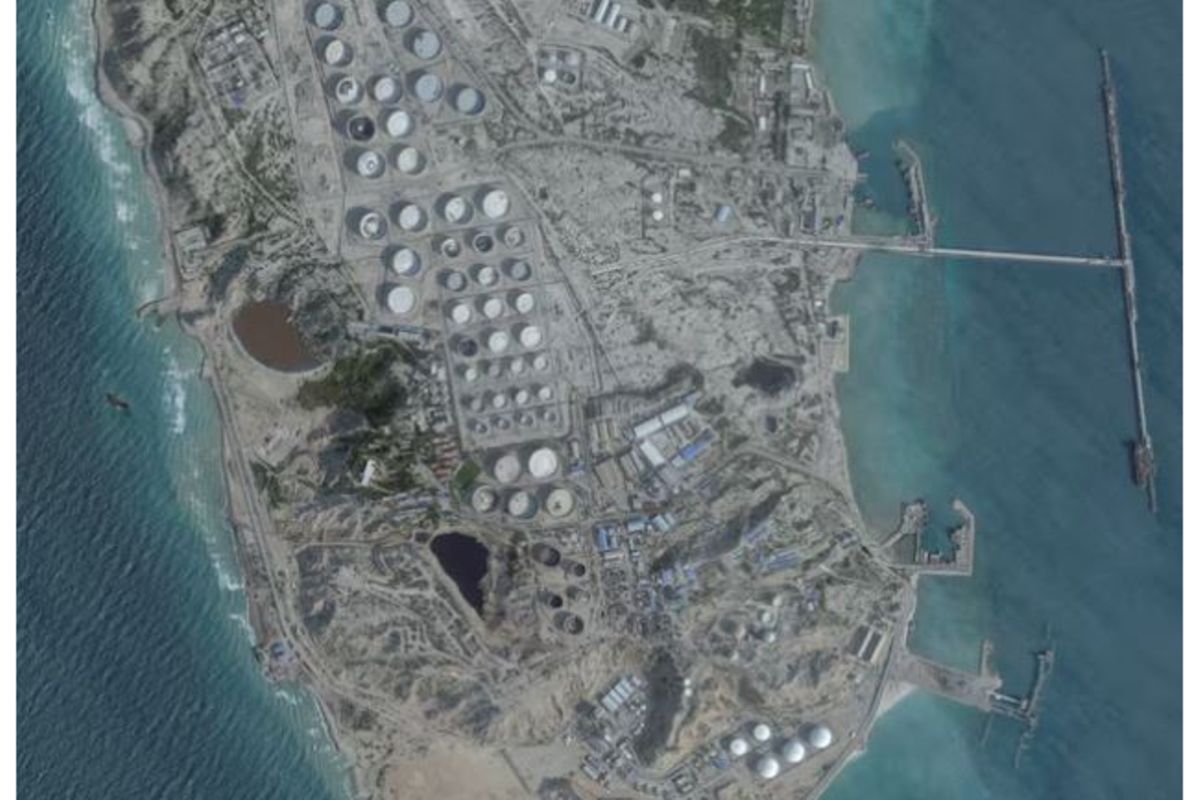
Kharg is not just a pin on a Gulf map. The report says Iran sent 90% of its crude exports through the island before the war, and those flows were already disrupted by a US blockade that began in mid-April. A strike near its anchorage could make a fragile logistics problem sharper: ships may hesitate, loading windows may narrow, and crews become the immediate operational constraint.
For anyone building products or operating infrastructure that depends on predictable energy, shipping or component costs, the relevant risk is not a headline-sized oil shock by itself. It is the slow accumulation of friction. One vessel incident can turn into delayed calls, more cautious routing and less dependable access to cargoes if operators judge the anchorage unsafe.
Our outlook (informed speculation): if the reported strike is confirmed but damage remains limited to one tanker, Kharg may stay functional while operators build more time and caution into every movement. If loading or vessel access is interrupted, Iranian cargo availability could tighten further unless other supplies or inventories fill the gap.
The historical parallel
Our earlier reporting covered Saudi Arabia’s condemnation of the deadly attack on the Bahri-owned tanker Sidr in the Strait of Hormuz roughly three days ago. It involved another tanker attack amid the same regional disruption, and it put crews and maritime energy transport in the firing line. The earlier incident was attributed to Iran and reportedly killed two Filipino sailors; this one is attributed by Tasnim to US forces, happened near Iran’s own export hub, and has no reported casualties. Saudi Arabia responded with condemnation, suggesting that attacks on tankers can quickly prompt a state response; the key question now is whether this incident changes access to Kharg itself.
How the effects could spread
The first pressure point is Kharg’s anchorage. If the strike leads operators to reduce calls, delay loading or restrict terminal access, exporters could have fewer usable departures while the blockade already constrains flows. That would leave buyers of Iranian seaborne crude with fewer available cargoes over coming weeks, unless replacement supply or inventory releases absorb the loss.
The chain breaks if the tanker damage is isolated and loading continues normally. It hardens if additional ships are hit or the anchorage becomes less usable.
Impact assessment
Iranian tanker crews face the immediate consequence: Tasnim reported an evacuation after the strike. Iranian exporters face a second risk, because the incident may add security constraints around a hub that handled most of the country’s crude exports before the war.
Across the Gulf, tanker operators could become more cautious about routes and port calls in the coming weeks. Buyers relying on Iranian cargoes would feel the downstream effect only if reduced vessel access translates into fewer loadings and replacement crude is not readily available.
Scenarios
Most likely: If the strike is confirmed or credibly corroborated, but damage is confined to one tanker and Kharg infrastructure remains functional, exporters and operators will prioritize crew safety and scheduling over a prolonged shutdown. Over days to weeks, movements may continue with delays or fewer calls. Continued departures near Kharg, without a wider terminal outage, would support this path.
Upside: If the tanker is the only affected asset, no further attacks occur and Kharg facilities remain undamaged, anchorage activity could resume at its blockade-constrained baseline in the coming days or weeks. Continued loading and departures would restore access for operators able to serve the area.
Downside: If further attacks, terminal damage or new security restrictions make the anchorage materially less usable, exporters and tanker operators could reduce calls and delay loadings over weeks. That would further restrict Iranian cargo availability and shift more pressure onto buyers dependent on those shipments. Suspended loadings, a sustained drop in tanker movements or repeated attacks would point in that direction.
What to watch next
- Confirmation or denial from Iranian authorities or US Central Command, including identification of the affected vessel.
- Whether Kharg’s loading and anchorage activity shows suspensions, reduced calls or access restrictions.
- Whether another tanker or oil-shipping asset is attacked in Gulf routes.
Comments
No comments yet.