What changed
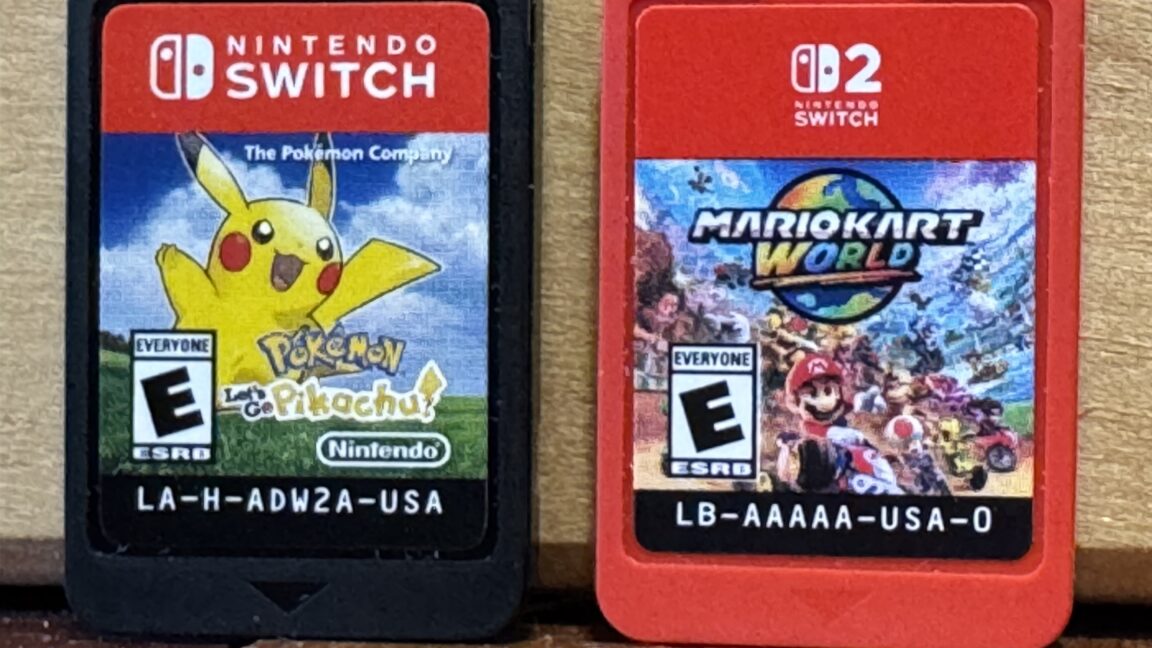
Macronix, Nintendo’s main memory-chip supplier for physical Switch and Switch 2 cartridges, says its ROM production has reached its end and that it will gradually leave the games business. ROM output has fallen 39% in a year and now makes up just 5% of Macronix’s business, while the company’s planned $1.2 billion capacity expansion may take at least a year.
Why it matters
Nintendo is not abandoning cartridges anytime soon. But its supply chain is losing a major source just as Macronix’s 25,000 monthly wafer capacity is being pulled toward more profitable NOR, NAND and eMMC memory products.
Nintendo can turn to Rohm and Lapis Semiconductor, but the timing and capacity of that replacement supply remain unclear. If those companies cannot fill the gap, cartridge production costs could rise, putting more pressure on publishers and potentially on physical game prices. Some Nintendo games already cost more in physical form than as digital downloads.
The longer-term direction is easier to see than the short-term price impact: digital software accounted for 61.5% of Nintendo’s business in the second quarter of 2026. If that share keeps growing, lower cartridge demand could eventually soften the effect of more expensive ROM production. For now, Nintendo is keeping physical games alive while the economics underneath them become less comfortable.
Comments
No comments yet.