What changed
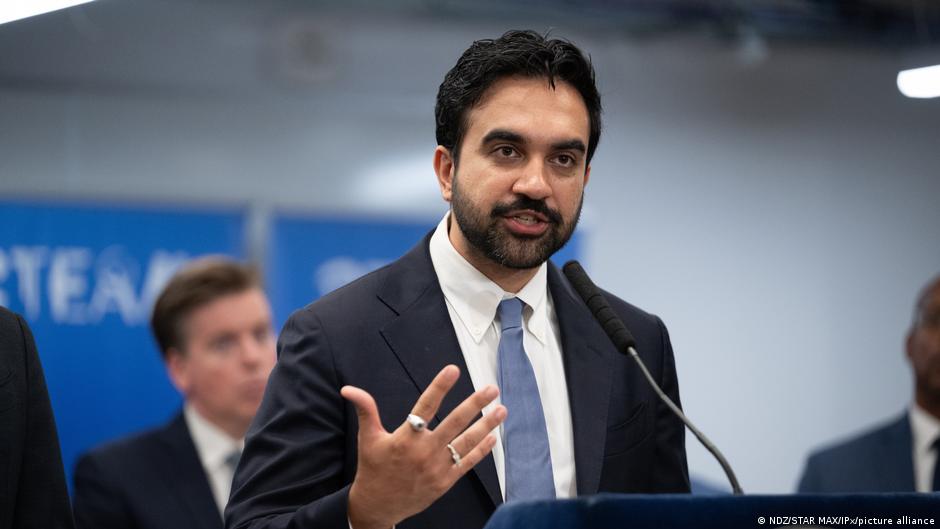
Based on DW Top Stories’ reporting, New York City will bar student-facing generative-AI software through eighth grade for one school year, affecting roughly 600,000 public-school students. Mayor Zohran Mamdani’s policy halts about 40 classroom AI tools, bans companion chatbots at every grade, while allowing teachers to use AI for planning and scheduling; high-school students instead get twice-yearly AI-literacy classes and supervised pilots.
Why This Matters
Our view: this is less a blanket anti-AI gesture than a hard reset of the school-tech buying model. A tool can be useful to an educator and still lose its place in a child’s hands. Vendors now have a sharp implementation boundary: products aimed at students through eighth grade are out for the year, while tools that help teachers work behind the scenes remain permitted.
That makes the city’s forthcoming technology review the real commercial pressure point. The immediate halt affects about 40 tools. But the review will decide which products count as essential to learning, turning “AI-powered” from a sales pitch into a question schools can test in plain daylight.
High school is the exception with conditions attached. Access will run through literacy instruction, selected platforms and teacher supervision. That favors tools built for governed classroom use, not simply broad availability.
The last time this happened
In our earlier reporting, New York City Bars Generative AI Through Eighth Grade for One Year, we covered this current policy. The useful historical parallel is New York City’s January 2023 ChatGPT restriction on school networks and devices, reported by TechCrunch.
Both moves limited student access while preserving a role for educators as the district assessed AI. The earlier policy was a network filter for one chatbot; this one is a one-year, age-tiered restriction on student-facing generative AI, including companion chatbots and about 40 education tools, alongside high-school pilots. By August 2023, WIRED reported that schools were no longer blocking ChatGPT and the district had shifted toward embracing generative AI. That suggests the key thing to watch now is not the announcement alone, but what New York learns from controlled use and its technology review.
The historical parallel
The 2023 restriction and this moratorium share the same basic instinct: pause student access while schools work out what learning should look like with generative AI nearby. But this policy reaches much further and is more deliberately tiered.
The earlier network-level mechanism also had limits. AP reported that tech-savvy students could work around bans and that some teachers used AI in guided activities. New York’s current split between younger students, teachers and supervised high-school pilots appears designed around that practical problem.
How the effects could spread
The first effect lands on the roughly 40 educational AI tools whose classroom use is being halted for covered grades. Classrooms through eighth grade will need to operate without those student-facing tools during the moratorium.
The next effect is more consequential for vendors: the citywide review can determine whether products are essential to learning. Teachers’ continued ability to use AI for planning and administrative tasks softens the immediate cutoff, but it does not restore student-facing access.
Across our coverage
Our earlier reporting, New York City Bars Generative AI Through Eighth Grade for One Year, set out the age boundary and one-year duration. The new lens is implementation: the policy divides tools by who uses them, where they are used and whether supervision is built into the arrangement.
Impact assessment
- Students through eighth grade: student-facing generative-AI software is barred for the school year.
- Educational-AI vendors: about 40 tools face halted classroom use, with further exposure from the technology review.
- High-school students: not covered by the full ban, but access will be structured through literacy classes and supervised pilots.
- Teachers: may continue using AI for lesson planning and administrative work.
Scenarios
Most likely: If New York implements the policy as announced, the moratorium stays in force for covered grades through the school year while high-school literacy classes, supervised pilots and the education-technology review proceed.
Upside: If pilots and the review support narrowly governed educational uses, the city could identify select high-school platforms and retain or restore tools it considers essential to learning.
Downside: If the review finds additional tools nonessential, vendor access could narrow beyond the initial halt of about 40 tools.
What to watch next
- Which platforms, schools and teacher-supervision rules New York selects for high-school pilots.
- Whether the technology review identifies tools as retained, halted or nonessential to learning.
- The city’s decision at the end of the one-year moratorium: end it, extend it or revise it.
Comments
No comments yet.