What changed
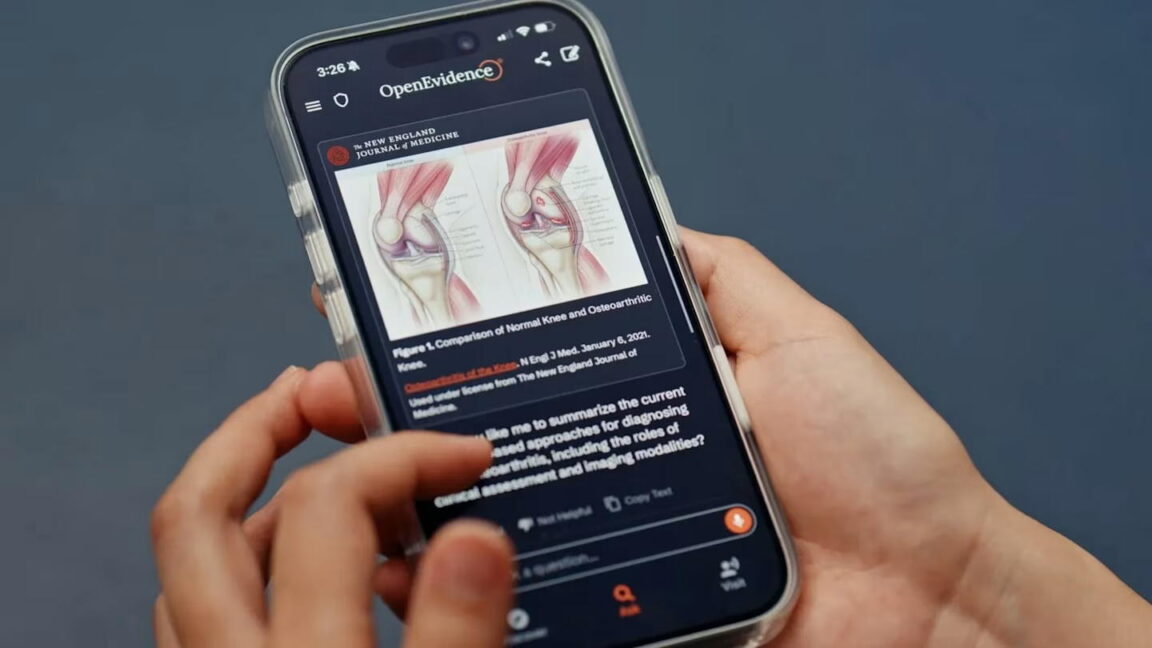
OpenEvidence, the Miami startup founded by Daniel Nadler in 2022, has reached a $15 billion valuation after raising $250 million in September. The company says doctors generated more than 42 million prompts through its medical-search chatbot last month, using it to search journals and clinical guidelines.
Why it matters
This is no longer an experiment happening at the edge of medicine. OpenEvidence is being folded into electronic health records and care workflows at NYU Langone, Mount Sinai Health System and Memorial Sloan Kettering Cancer Center.
That gives the company something most AI startups want but rarely get: a place inside the daily machinery of high-stakes decisions. NYU Langone pursued a formal partnership after clinicians were already using the tool independently. Its stated goal was to make the system both more useful and more secure.
The business model is unusual. OpenEvidence is powered by advertising, and it booked $100 million in current and future ad commitments at the end of 2025. It is reportedly on track for $400 million to $500 million in advertising revenue this year. That creates a sharp tension: the more deeply the tool enters clinical work, the more important it becomes to understand how commercial incentives sit beside medical answers.
The company has attracted nearly $1 billion from investors including Andreessen Horowitz, Blackstone, Thrive Capital and Sequoia. It is also facing competition from OpenAI and Anthropic, while Wolters Kluwer has added AI to its established UpToDate medical software.
The open question is accuracy. Researchers have raised concerns, but the reported figures do not establish how often errors occur or how serious they are. For now, OpenEvidence’s biggest achievement is not that it has made doctors trust AI completely. It is that it has made using AI feel routine enough to become part of the clinical workflow.
Comments
No comments yet.