What changed
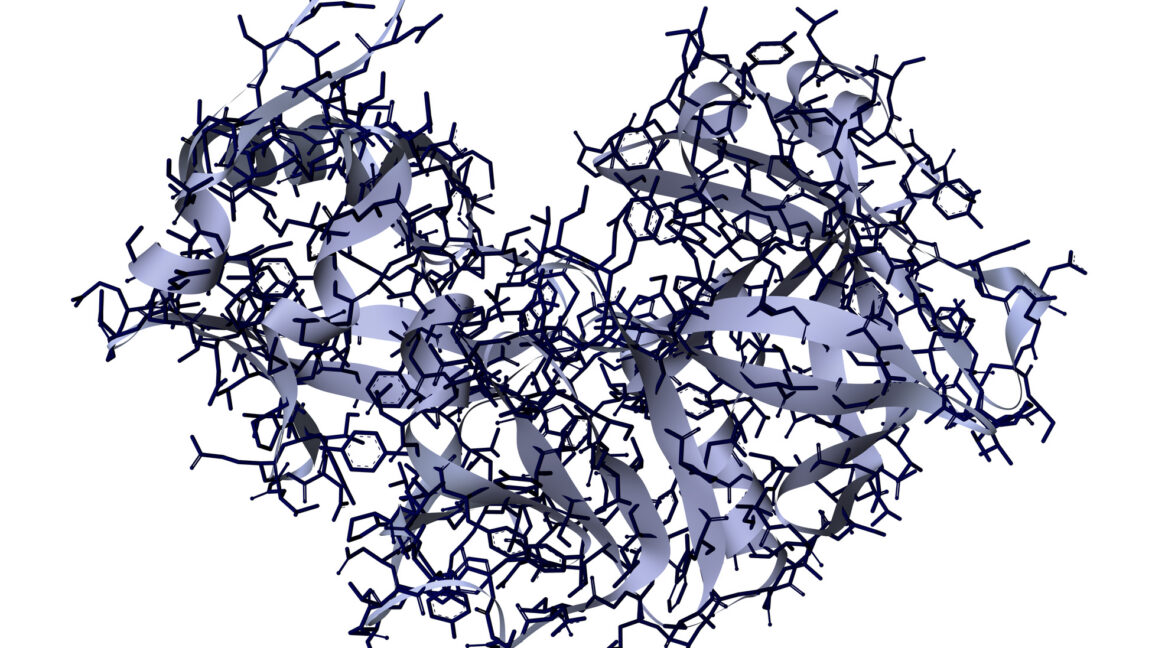
Researchers used AI-based protein-design tools to build new enzymes from the catalytic cores of zinc proteases and cysteine proteases. The redesigned proteins were tuned to cut selected targets, including proteins associated with neurological diseases, and were shown doing so in experiments.
Why it matters
This is a shift from discovering useful enzymes to redesigning them around a chosen job. Peptide bonds are normally stable for hundreds of years in water; the researchers used the chemistry life already evolved, then replaced much of the surrounding protein structure to steer where the cut happens.
That specificity is the important part. The surrounding structure helps position the catalytic amino acids and determines which proteins an enzyme recognizes. In principle, that gives builders a way to design molecular tools aimed at particular protein targets instead of relying only on naturally occurring proteases.
The informed speculation is that this could become a useful route for tackling disease-linked proteins. But the demonstrated result is still enzyme activity in reported experiments. Clinical effectiveness, safety, delivery into living patients, durability and quantitative performance remain open questions.
Comments
No comments yet.