What changed
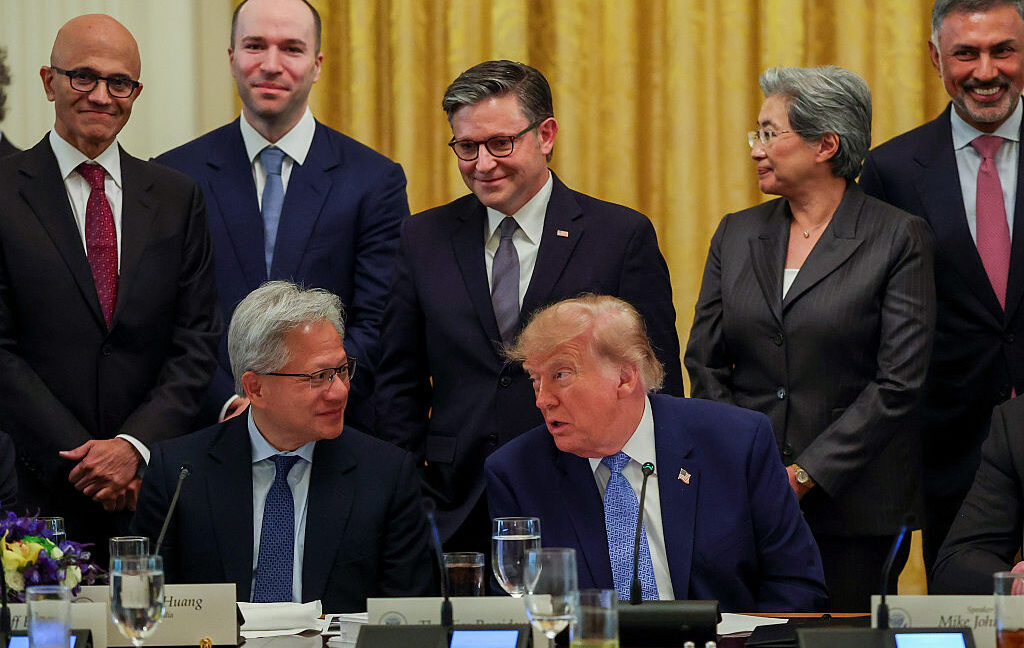
Donald Trump and two dozen technology firms signed a voluntary White House accord covering independent safety audits, shared practices and common AI safety benchmarks.
The proposed audits would examine cybersecurity, biosecurity, chemical threats and unintended actions by AI models. Signers include Anthropic, OpenAI, SpaceXAI, Nvidia, Meta and Alphabet/Google. The deal was reported on September 30, 2026, and carries no legal force, despite Trump calling it “morally binding.”
Why it matters
This is a coordination framework, not a new rulebook. Companies are being asked to let outside reviewers test whether their internal controls, monitoring and detection systems actually work. They would also meet regularly to compare practices and develop common benchmarks.
That could make safety claims easier to compare, but only if the audits are genuinely independent and use a clear method. Those basics are still unsettled. It is unclear who will conduct the reviews, what standards they will apply or how anyone will enforce the findings.
The timing makes the gap more important. Some major firms had already promised external audits, and several had agreed to secretive government safety testing. The new accord therefore adds a shared political umbrella more clearly than it adds a proven technical safeguard.
The White House says the recommendations may eventually become law. Until then, the system depends on companies policing themselves while the government decides how much trust to place in their checks. That is a meaningful test of whether voluntary safety commitments can keep pace with the risks they are meant to measure.
Comments
No comments yet.