What changed
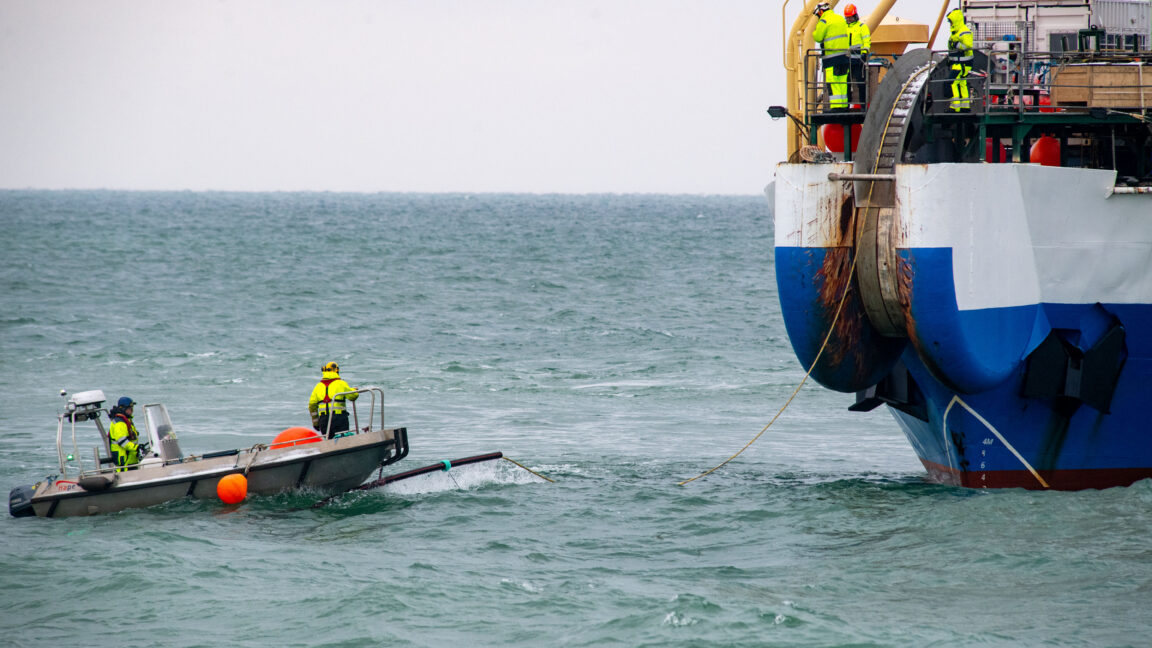
Undersea fiber-optic cables, power links and pipelines are facing greater sabotage risk as gray-zone conflict and open wars spread. Elisabeth Braw’s new book, Undersea War, documents incidents involving Russia-, China- and Iran-linked activity, including the December 2024 Eagle S incident, when an anchor dragged about 90 kilometers and damaged four data cables plus the Estlink 2 power cable.
Why it matters
The internet’s most important infrastructure is still mostly underwater. Satellites may be expanding, but they have not replaced the cables carrying traffic between countries and continents.
The danger is not that every broken cable signals an attack. About 150 to 200 cables are damaged each year, and roughly 60 percent of that damage is primarily tied to fishing and shipping mistakes. Storms and undersea landslides cause some incidents too.
What has changed is the setting around those accidents. A damaged cable now sits inside a wider security dispute, where governments must decide whether a dragging anchor was careless, criminal or something more deliberate. That uncertainty raises the stakes for operators and investigators alike.
Recent cases show how differently countries are responding. The crew of the Chinese cargo ship Yi Peng 3, which damaged two Baltic data cables in November 2024, was not prosecuted by European authorities. Finland has tried to prosecute three senior officers of the Russian-linked Eagle S. Taiwan convicted the captain of the Chinese-owned Hong Tai after it severed a telecommunications cable in February 2025, then raised the maximum prison term for intentional damage to seven years.
The infrastructure itself is also becoming a target for pressure short of open war. Iran has sought to impose fees on operators using cables through the contested Strait of Hormuz. In Arctic waters near Norway’s Svalbard archipelago, the United Kingdom, Norway and the United States confronted Russian submarines practicing with technology intended to disable undersea cables.
My read is that the central problem is not simply vulnerability. It is attribution. Repairs can often happen quickly after ordinary damage, but a suspected attack pulls cables into criminal cases, military operations and diplomatic confrontation. That makes an apparently invisible break far more consequential than a routine repair job.
Comments
No comments yet.