
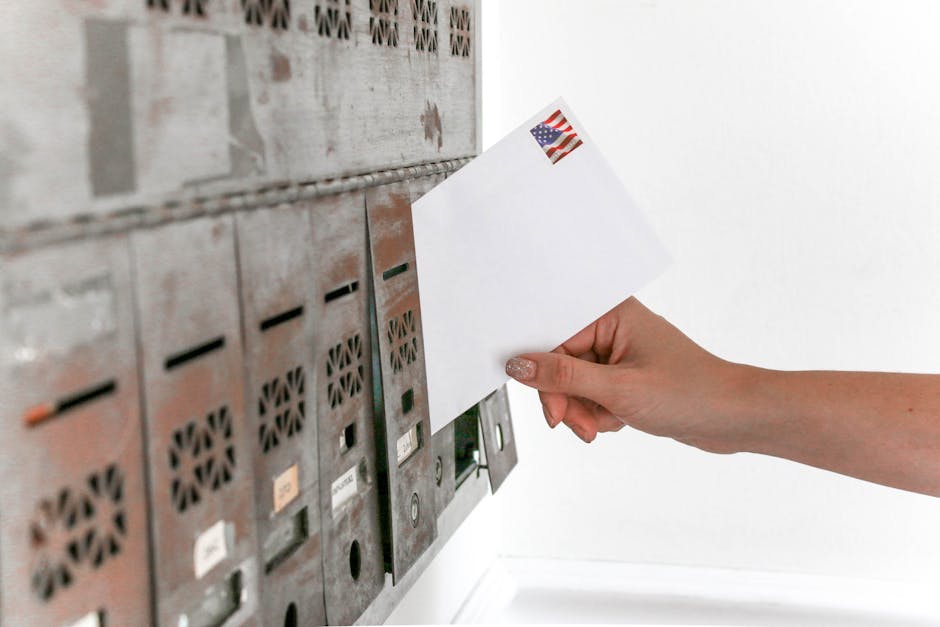
A federal judge’s ruling does not automatically replace the ballot instructions in your hand. Before mailing a midterm ballot, check the ruling’s scope, any later court order, and current guidance from your election authority.
In Palm Beach County, Florida, voters faced a different kind of uncertainty on November 7, 2000. Elections supervisor Theresa LePore had arranged presidential candidates across two facing pages, with a single column of punch holes between them. The design became known as the butterfly ballot.
The election was close enough for every disputed mark to matter. Some voters later said the layout had confused them. Thousands of ballots recorded votes for more than one presidential candidate and therefore could not count in that contest. Nobody standing at the voting machine could know that Florida’s result, and ultimately the presidency, would turn on a margin small enough to put ballot design under national scrutiny.
The ballot did contain instructions. The harder question was whether the layout allowed voters to apply those instructions as intended. The dispute became one part of the recount crisis eventually resolved by the US Supreme Court in Bush v. Gore. The ballot and its consequences are documented by the National Constitution Center.
That episode involved ballot design rather than a Postal Service order. The mechanism still matters now: when voting rules, official instructions and a legal decision appear to point in different directions, guessing can turn a correctable question into an irreversible ballot problem.
What the ruling establishes
Consider a hypothetical voter preparing a mail ballot on an ordinary weekday morning. The envelope is sealed. A federal judge has barred the Postal Service from implementing an executive order affecting mail ballots ahead of the November 2026 midterm elections, according to an Associated Press report.
That establishes an important legal development. It does not, by itself, tell the voter that every printed instruction has changed.
Several distinctions matter. A court may block a policy nationwide or only in specified circumstances. Its order may take effect immediately, while the practical guidance given to voters takes longer to update. Another court may later pause, narrow or uphold the ruling. Election authorities may also control parts of the process that the case did not address.
The voter therefore needs the operative instruction for that ballot, in that jurisdiction, on that morning. A report about the ruling provides the reason to check. It cannot replace the check.
This is the same discipline described in The Legal Ruling Is Real, but the Visa Timeline Is Not Settled. What to Check First.: separate what a court has decided from what an agency has formally changed.
The three records that answer different questions
Start with the court order or a reliable report quoting its scope. Look for the exact policy the judge barred, the places covered, and whether the order is already in force. A headline can accurately describe a major ruling while leaving those operational details outside its limited space.
Next, check current instructions from the relevant state or local election authority. Use the contact information printed with the ballot or find the authority through an official government website. Confirm the accepted return methods and the rule that determines whether the ballot arrives in time. Avoid carrying a deadline or procedure from another state into your own.
Finally, check the Postal Service’s current public guidance if mailing remains the plan. A judicial order can prevent a proposed change without creating a new mailing method. The practical question is what service and handling rules apply now.
Keep the layers separate:
- The court order says what the government may or may not do.
- Election guidance says what the voter must do.
- Postal guidance explains how the chosen return method currently operates.
A social post, television segment or family group chat may alert the voter to the case. None should be treated as the final instruction.
What to do before the envelope leaves your hand
Do not open or alter a completed ballot merely because a headline suggests the rules changed. First compare the ballot materials with the latest official guidance. If they conflict, contact the election authority using a verified phone number or website and ask which instruction governs that ballot.
Record what you checked and when. A screenshot of the official page, the page address and the time of the check can help if guidance changes later. Never post a photograph that exposes completed ballot choices, identifying numbers, signatures or barcodes.
If the available guidance remains unclear, pause before mailing and ask about the officially permitted alternatives. The safest option depends on local rules and timing, so generic advice cannot choose it for you.
Palm Beach County’s butterfly ballot became famous because a small piece of election administration carried consequences far beyond its appearance. The lesson for the voter holding an envelope in 2026 is narrower and immediately useful: confirm the instruction that has legal and operational force before taking an action that may be difficult to reverse.
Comments
No comments yet.