
Nigeria has opened campaigning for its January presidential election, with President Bola Tinubu seeking reelection against a divided opposition amid economic and security concerns. For households and small businesses, the useful test of the campaign will be whether competing promises explain what could change in everyday costs, safety and the conditions for earning a living.
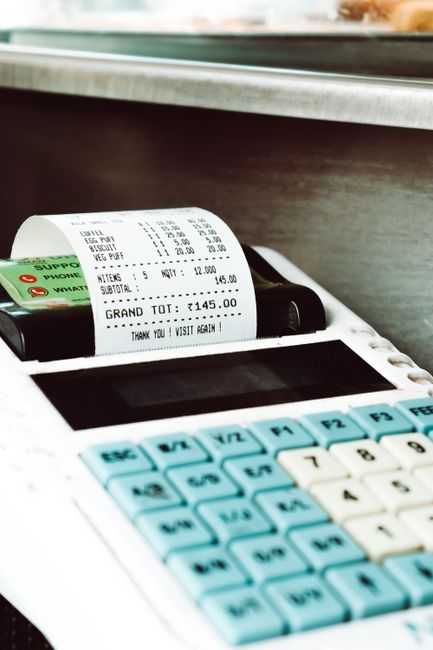
At a small shop in Lagos, an illustrative composite named Tunde hears the campaign news from a phone beside the till. He is counting the day’s sales for the second time, checking whether he can place his next stock order without leaving too little cash for home. Two customers are waiting, and one has already put an item back after asking the price.
If the numbers fall short, Tunde faces a bad choice. He can order less stock and risk empty shelves, or commit the cash and hope tomorrow brings enough sales to cover his family’s immediate needs. The campaign has begun, but the question at his counter is more urgent: will the next government make this calculation easier or harder?
The campaign meets voters through household arithmetic
National campaigns arrive wrapped in rallies, endorsements and disputes over political alliances. At street level, they are measured through smaller decisions: what a shopkeeper can reorder, what a commuter can spend, whether a parent delays a purchase, and how confidently an employer can plan the next month.
That does not make every price movement the direct result of one officeholder or one policy. Global conditions, local supply constraints, exchange-rate movements, security disruptions and business decisions can overlap. Campaign claims should therefore be read with care, especially when a candidate presents one action as a complete answer to a complicated economic problem.
For Tunde, the most useful promise would connect policy to the shop counter. What action is proposed? Which part of government can carry it out? How would it affect the cost or availability of goods? What trade-off comes with it? A slogan may describe the destination. Voters still need the route.
Economic promises need a visible chain of cause and effect
Campaign coverage often focuses on who said what and which political bloc appears stronger. Those facts matter, particularly when the opposition is divided. Yet working adults also need to know how proposals might travel from a speech to their daily lives.
A promise about economic management should be examined in stages. First comes the stated policy. Then come the institutions, funding and political support required to deliver it. Only after that can voters assess the likely effect on jobs, household expenses, transport, business stock or public services.
The same discipline applies to criticism. Saying that conditions are difficult identifies the pressure; it does not establish that an alternative plan would work. Opposition candidates still need to show what they would change, how they would pay for it, and what might become more expensive or less available as a result.
This publication’s view is that the strongest campaign reporting will keep those links visible. It should separate a candidate’s words from an outlet’s analysis, name the source of each claim, and avoid turning an uncertain outcome into a prediction. That approach matters in economic coverage, where a confident sentence can travel faster than the caveat that makes it accurate.
Security concerns also carry an economic cost
Security may sound like a separate campaign subject, but it reaches the same counter. When people feel unsafe travelling, trading or moving goods, the consequences can appear in missed work, disrupted supply and reduced confidence about the weeks ahead.
The effects will vary by place and circumstance, so broad national claims need local scrutiny. Voters can ask candidates which security problem they are addressing, what authority they would use, how progress would be assessed, and what safeguards would accompany the response. A promise to restore order says little until those details appear.
Coverage should apply the same standard to incumbents and challengers. Tinubu’s record can be examined against stated actions and observable outcomes. His opponents’ proposals can be tested for feasibility rather than treated as proven simply because they offer change. A divided opposition adds another practical question: can any challenger assemble enough political support to carry a programme beyond the campaign?
Readers following other elections and geopolitical disputes face a similar task. The effects of high-level decisions often reach homes, shipping routes and travel plans long before the political argument feels settled.
A practical way to follow the months ahead
Back at the Lagos shop, Tunde pauses before confirming the smaller stock order. The campaign report on his phone includes an outlet label, and the headline remains exactly as the outlet wrote it. That gives him a clean starting point, but no single headline can settle the decision in front of him.
The turn comes when he separates three things on a scrap of paper: what the candidate claimed, what policy was actually proposed, and what would have to happen before that policy reached his supplier or customers. The election cannot solve today’s shortfall. The framework can stop a campaign promise from becoming part of his business plan before the evidence supports it.
Over the coming months, readers can use the same check. Keep the speaker, the reported fact and the analysis separate. Look for a clear path from promise to implementation. Treat confident forecasts as uncertain unless evidence supports them. Compare plans on the pressures that already shape daily decisions.
Tunde places the reduced order and keeps enough cash aside for home. Tomorrow’s shelves may be thinner than he wants. At least the campaign message and the shop calculation now sit in separate columns.
Comments
No comments yet.