What changed
Addis Ababa was selected as one of five recipients of the 2026 Shanghai Award for Global Sustainable Development in Cities.
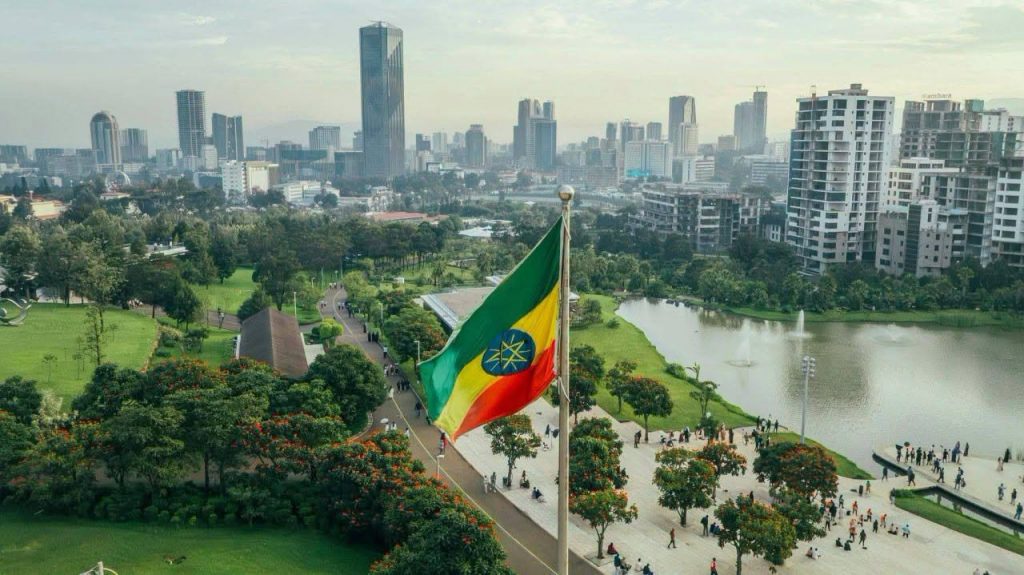
The recognition follows an urban-renewal programme under Ethiopia’s Medemer Government covering corridor development, housing, mobility, riverside rehabilitation, green spaces and public facilities. The award adds an international accolade to a capital already known for hosting the African Union headquarters and other international institutions.
Why it matters
The change is visible at street level. Expanded pedestrian walkways, improved streetscapes, parks, sports facilities and greener river corridors are reshaping how people move through and use the city.
Housing is part of the same effort. New neighbourhoods are described as combining homes with roads, water, electricity, health, education and recreational facilities. That matters because urban renewal becomes more than a polished central corridor when essential services are closer to daily life.
Mobility is another test. Pedestrian and cycling routes, public transport and accessibility-focused infrastructure are intended to make travel safer and more efficient, while supporting economic activity.
The award is best understood as recognition of a development direction, not a final scorecard. The available account gives no ranking criteria, project costs or measured outcomes, and does not establish that every project is complete. Addis Ababa’s next challenge is to show that the new spaces and infrastructure work consistently for residents beyond the showcase areas.
Comments
No comments yet.