What changed
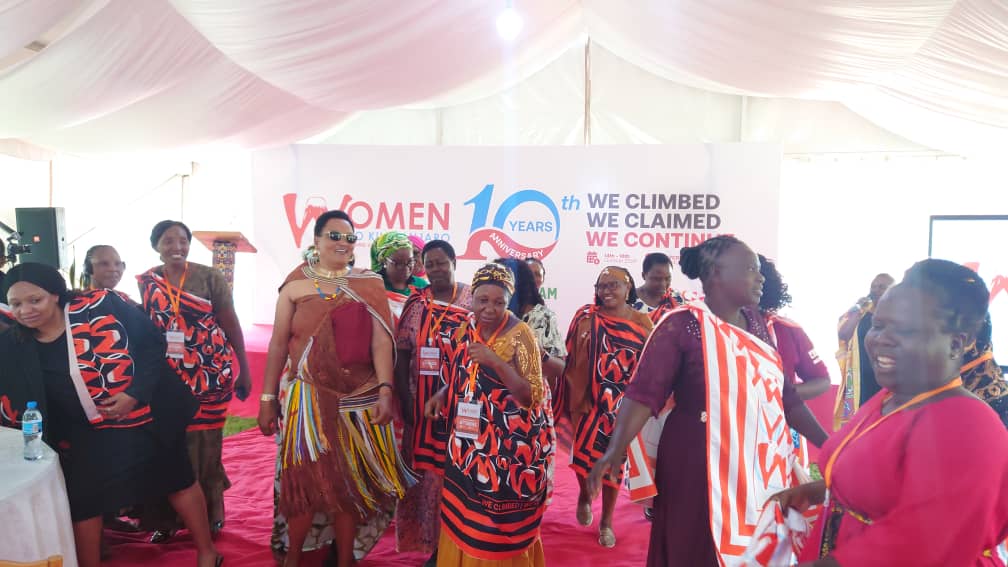
Women farmers from 22 African countries have renewed a call for governments to publish official, sex-disaggregated data on farmland ownership. The demand came at an Arusha gathering marking 10 years since the Kilimanjaro land-rights campaign began in October 2016.
Why it matters
A missing ownership record can become a locked door. Women may farm the land yet struggle to prove they legally control it, including when governments arrange compensation after disasters.
That matters as East Africa faces the possibility of El Niño-related flooding. Formal ownership could determine who is recognised for protection or compensation when fields and homes are damaged.
The issue also reaches beyond land paperwork. The African Union Commission’s Department of Rural Economy and Agriculture links women’s control of land to food security, because rural farmers produce the continent’s food. Without reliable figures, governments cannot clearly see who owns land, where the gaps are, or whether reforms are reaching the women they are meant to help.
There are signs of movement. Tanzania is translating more than 435 laws into Kiswahili and assisting rural women into leadership and decision-making roles. But the central measure remains absent: how many rural women actually own farmland. Until that number exists, progress is difficult to test and easy to overstate.
Comments
No comments yet.