What changed
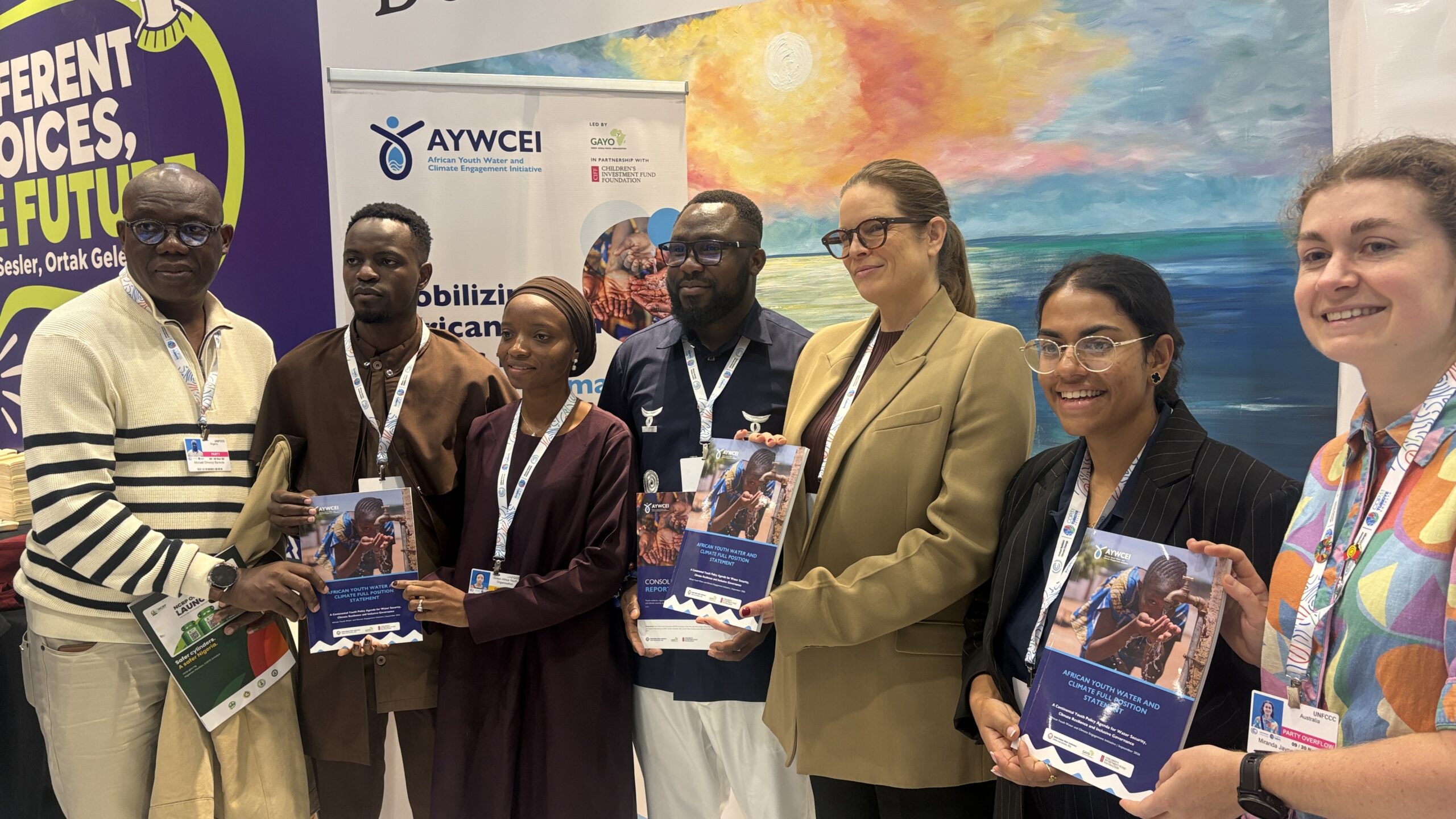
African youths have mapped water challenges across 51 countries at COP31 and are seeking a larger role in policy decisions.
Nigeria’s 2024 Demographic and Health Survey shows why that demand matters:
- 71% of the population had access to at least basic drinking-water services.
- Only 38% of households had water on their premises.
- 66% had sufficient quantities when needed.
Why it matters
Those figures describe three different realities, not one success story. Basic access does not necessarily mean water is at home, and having water at home does not guarantee enough of it when needed.
That makes the youth mapping effort useful if policymakers treat it as a practical policy tool rather than a conference statement. The Nigerian figures show how quickly a broad access figure can conceal the daily burden on households. The report does not establish whether policymakers adopted the proposals or how the 51-country map was produced, so its influence remains to be seen.
Comments
No comments yet.