What changed
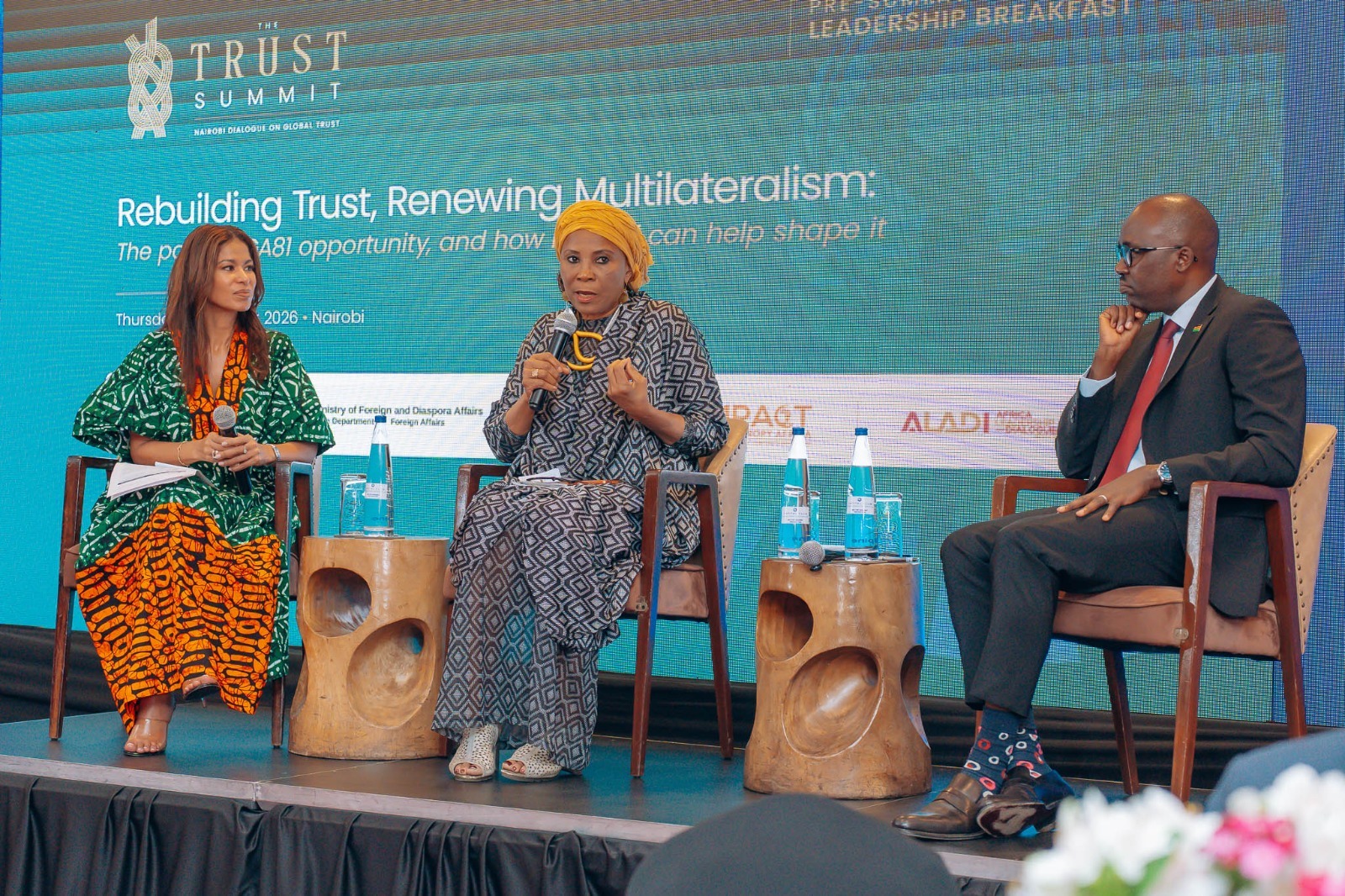
Ahunna Eziakonwa, a United Nations under-secretary-general, urged global institutions in Nairobi on October 16 to treat African countries as co-architects of a renewed multilateral system, not merely recipients of decisions made elsewhere. Her call came ahead of the Trust Summit, scheduled for October 21–23, where governments, international organisations, civil society, businesses and young people are expected to shape commitments with named owners, deadlines and reporting dates.
Why it matters
This puts representation and delivery in the same frame. African governments want greater influence over international decisions, development finance, climate finance and the rules of the global economy. But Eziakonwa also challenged governments on their own record, pointing to accountability for agriculture, education and public services.
That is the useful test for the summit. A promise becomes meaningful only when someone owns it, a deadline is visible and progress can be checked. The Nairobi Call to Action is intended to provide that tracking structure.
Kenya’s Principal Secretary for Foreign Affairs, Abraham Korir Sing’Oei, said institutions must also make room for non-state actors. Whether the summit produces enforceable commitments or changes to representation remains uncertain. Its credibility will depend on whether participation leads to measurable follow-through, rather than another polished declaration.
Comments
No comments yet.