What changed
Ethiopia’s Innovation and Technology Minister Belete Molla has defined “technological sovereignty” as the ability to choose, adapt, develop and use technology for the country’s own needs.
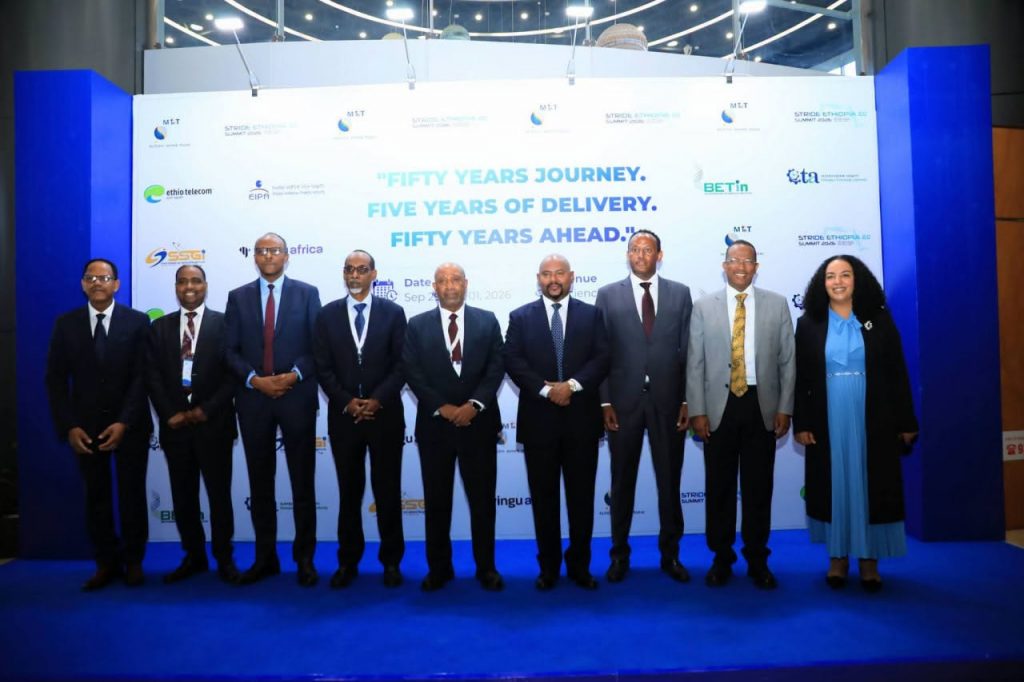
Speaking in Addis Ababa on September 29, 2026, at the STRIDE Ethiopia 2.0 Summit, he linked that goal to:
- Digital Ethiopia 2030
- A National Startup Fund
- A regulatory sandbox and special startup incentives
- Wider digital identification, payments and secure information exchange
- National work in artificial intelligence, biotechnology and space science
Why it matters
Molla’s message is less about shutting out foreign technology than about refusing to remain only a customer. Ethiopia can use imported systems, he said, but should gain the ability to understand them, adapt them and eventually build and export its own.
That puts practical results at the centre of the government’s technology agenda. Digital tools are meant to improve agriculture, health, education and manufacturing, while research is expected to move from laboratories into factories, markets and everyday services.
The difficult part will be turning the ambition into durable capacity. The minister identified programmers, researchers, engineers and entrepreneurs as central to that effort, but the summit did not specify funding amounts, implementation deadlines or measurable delivery targets.
The next test is whether Digital Ethiopia 2030 and the startup measures create technology that fits Ethiopia’s languages, institutions and problems. If they do, technological sovereignty could mean more than owning digital infrastructure: it could mean having enough local expertise to decide what should be built in the first place.
Comments
No comments yet.