What changed
Col’Cacchio is introducing smaller, digital-first Go outlets with estimated capital requirements of R2 million to R2.5 million, down from R6 million to R8 million for traditional stores.
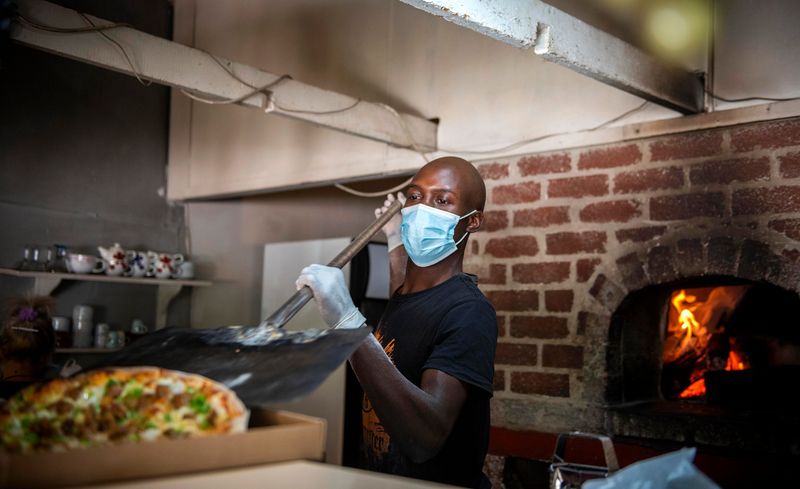
The model keeps hand-crafted food preparation but shifts the front of house to digital counter service, click-to-collect and delivery. The company says it is designed to reduce overhead and make expansion into smaller regional markets easier.
Why it matters
This is a meaningful change in who can afford to own a food business. The lower upfront cost does not make running a restaurant simple, but it moves the entry point closer to the reach of smaller operators.
The shift also changes what a restaurant looks like. Customers may order digitally, collect their food or receive it through delivery platforms, while the kitchen continues operating much as before. Less dining-room infrastructure, more attention to the handoff.
Col’Cacchio is pairing central standards with local discretion. Owners in Kimberley, for example, may source fresh produce and wood locally, including wattle or blue gum, as long as quality requirements are met. Individual stores can also keep signature menu pages for their areas.
That balance matters in a sector estimated at R1-trillion in annual turnover, with food accounting for about one in five randelas earned in franchising. Using the Competition Commission’s estimate that franchising represents 15% of the economy, the sector amounts to roughly 3% of South Africa’s GDP.
Col’Cacchio’s Etienne Pieterse calls the operators “partners” rather than franchisees, arguing that local ownership should leave room to adapt. That idea appears in a different form at Coffee Bike World, where founder Vladislav Priadko says the company has distributed 36 mobile units to 31 independent owners across Canada, the United States and Peru without franchise fees, ongoing royalties or mandatory purchasing obligations.
The important question now is whether cheaper formats can preserve quality while producing sustainable returns. The new model may widen access to business ownership, but its rollout and profitability remain untested.
Comments
No comments yet.