What changed
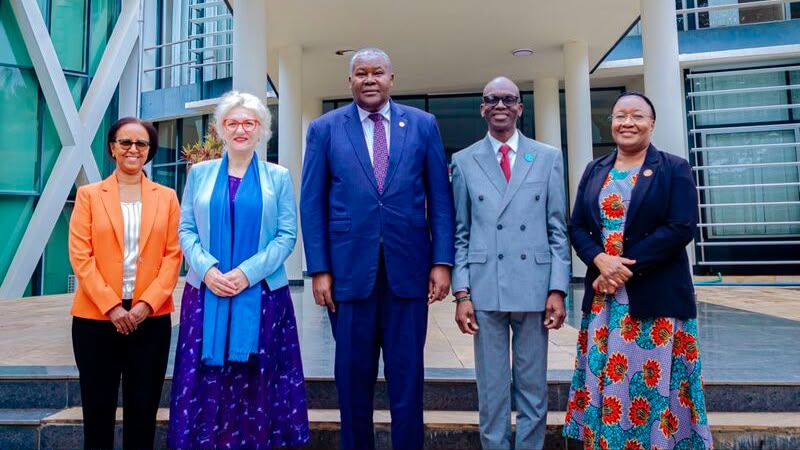
The East African Community and UNAIDS, UNFPA, UNICEF and WHO agreed in Arusha to create a structured partnership for regional health and development coordination. They plan to formalise it through a memorandum of understanding within three months, covering priorities including maternal and child health, HIV, gender equality, adolescent health and universal health coverage.
Why it matters
The proposal could turn years of separate cooperation into a clearer regional mechanism. The EAC and the four agencies already work through health forums, data-management efforts and minimum standards for integrated reproductive, maternal, newborn, child and HIV services. A formal framework would give those efforts a shared structure for aligning regional priorities with practical programmes across the EAC and its Partner States.
That matters because the agenda reaches beyond clinics. The partners linked health investment to human capital, livelihoods and the wellbeing of East Africa’s predominantly young population. They also identified sustainable financing and supportive laws and policies as necessary conditions, not afterthoughts.
The important caveat is that the MoU has not yet been signed. Its value will depend on whether the three-month timetable produces clear responsibilities and implementation arrangements, rather than another statement of cooperation.
Comments
No comments yet.