What changed
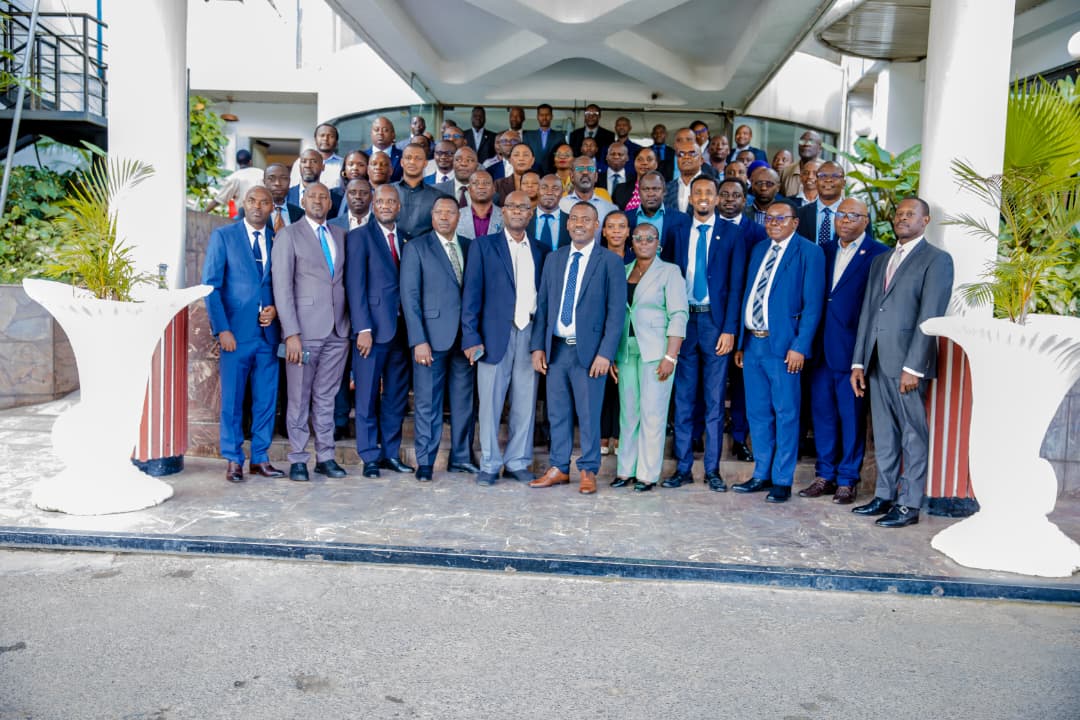
East African Community Partner States are being urged to coordinate urgent preparations for potentially severe El Niño rains. A regional experts meeting in Nairobi, running from November 4 to 6, 2026, is assessing national readiness, identifying gaps and drafting a regional response plan.
Forecasts point to possible above-normal rainfall between October and December 2026. Uganda called for vulnerable transport infrastructure to be mapped, alternative routes prepared, food and livestock feed secured, and health services and disease surveillance strengthened. Tanzania’s delegation is led by Brigadier General Hosea Ndagala.
Why it matters
The practical risk is disruption across borders. Floods and landslides could damage transport links, interrupt trade, strain food supplies and leave vulnerable communities cut off from essential services. Disease outbreaks associated with flooding are another concern, which is why health surveillance sits alongside roads and supplies in the preparedness agenda.
The meeting’s regional focus matters because rain and damaged infrastructure do not stop at national boundaries. The EAC Secretariat said the effects could threaten peace, security and economic development, making preparedness a matter of coordination as much as emergency response.
The outlook remains uncertain: the severity, location and timing of the rainfall impacts are not yet clear. If the meeting produces a workable regional plan, governments will have a better chance of keeping alternative routes, food distribution and public health services moving when local systems come under pressure.
Comments
No comments yet.