What changed
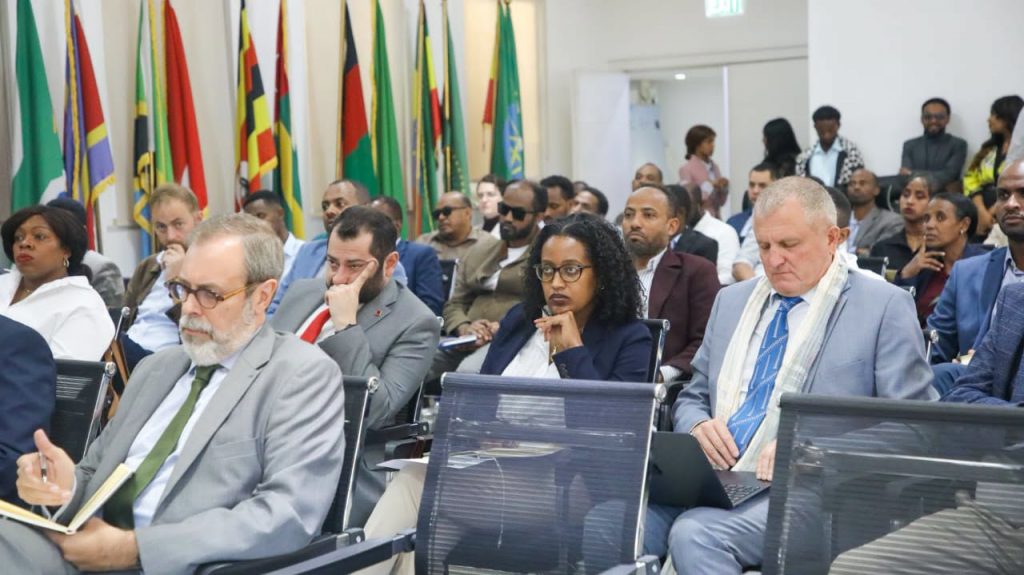
Ethiopia and the European Union opened a strategic dialogue in Addis Ababa on November 3, 2026, focused on cooperation in critical raw minerals. Hosted by Ethiopia’s Institute of Foreign Affairs and the EU Delegation, the talks covered investment, technology transfer, domestic processing, skills, sustainability and responsible sourcing. No financing commitment, project approval or formal agreement was announced.
Why it matters
The important shift is in the terms of the conversation. Ethiopia is not presenting its minerals only as resources to be extracted; it is seeking investment and technology that could help process more of them domestically and increase the sector’s contribution to the economy.
That is also where the EU says the partnership must go. Julia Walschebauer, the EU delegation’s Green Deal team leader, said cooperation should extend beyond access to natural resources and include value addition, knowledge transfer, skills development and responsible sourcing.
For Ethiopia, the potential benefit is greater control over what happens after minerals are identified. For the EU, the dialogue opens a route to work with an African government on supply, industrial development and sustainability under terms that both sides describe as mutually beneficial.
The outlook remains preliminary: whether the talks produce binding agreements or operating projects will depend on future decisions about minerals, investors, technology and timelines.
Comments
No comments yet.