What changed
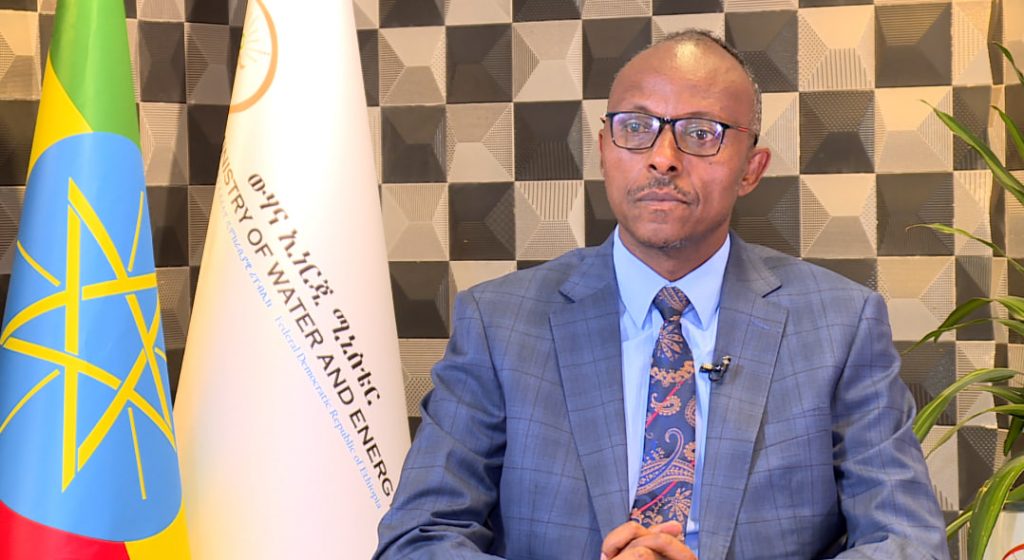
Ethiopia’s Water and Energy Minister Habtamu Itefa accused Egypt of benefiting from Sudan’s conflict while Sudan loses opportunities to use water linked to the Grand Ethiopian Renaissance Dam. He said regulated flows had created room for Sudanese farmers to expand irrigation, but fighting had also interrupted Ethiopia’s low-tariff electricity supply to Sudan and weakened cooperation over shared water resources.
Why it matters
The minister’s argument turns Sudan’s war into a regional development problem, not only a security crisis. Water is moving through a country that cannot reliably plan, build or maintain the irrigation schemes needed to turn it into farms and income. He said Sudan had received four to five times more summer water since the dam was built, yet instability has kept farmers from making productive use of that opportunity.
That also explains why the electricity interruption matters. Ethiopia says the supply stopped because fighting created operational problems, not because it meant to punish Sudanese people. In the minister’s telling, conflict has severed two practical links between the neighbours: power that Sudan was buying cheaply and an information-sharing arrangement intended to support cooperation over water.
His criticism of Egypt is sharper still. He said Egypt should use water more efficiently, pointing to its cultivation of water-intensive sugarcane and rice, rather than placing the burden of its shortages on upstream countries. The broader outlook is therefore political as much as technical: if Sudan remains unstable, the infrastructure and agreements that could support farming, electricity and regional cooperation will remain difficult to use.
Comments
No comments yet.