What changed
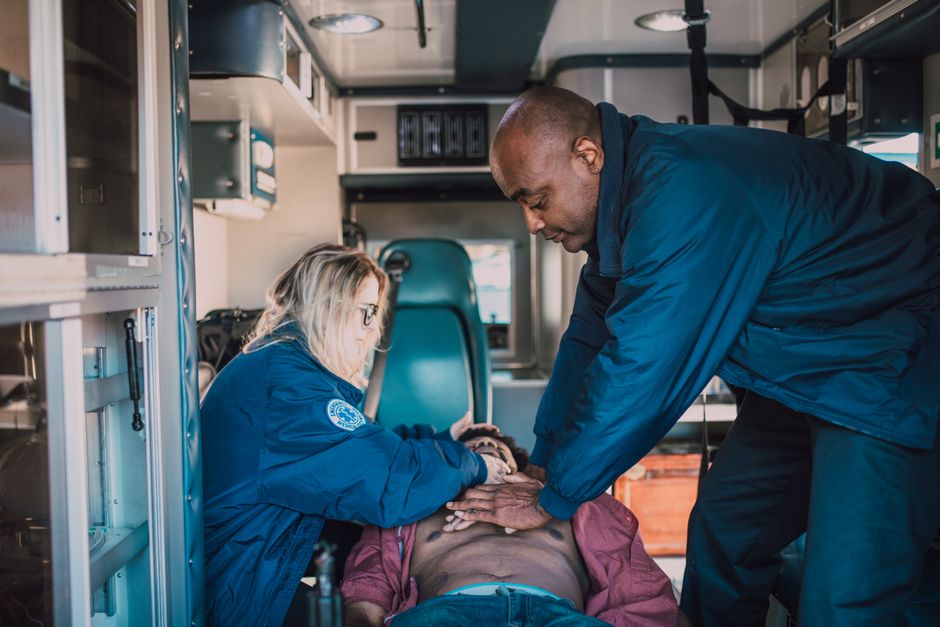
Ethiopia’s national Type 1 fixed Emergency Medical Team received international classification from the World Health Organization in September 2026. Health Minister Dr. Mekdes Daba announced the milestone in Addis Ababa, where the 7th WHO Emergency Medical Teams Global Meeting is being held from November 3 to 5.
The classification follows:
- More than 15 emergency missions since Ethiopia created its Disaster Medical Assistance Team in 2018
- A workforce of more than 600 trained professionals
- Support for communities in Türkiye after the 2023 earthquake
- Ethiopia becoming the second country in the WHO African Region to receive the recognition, after Senegal
Why it matters
This turns Ethiopia’s emergency response from a national effort into a formally recognised part of the global system. The badge matters because it gives structure to what the country has already built: trained personnel, deployment experience and a team prepared to work against shared standards.
It also connects emergency medicine to the wider health system. Ethiopia has integrated its Emergency Medical Strategy for 2025–2030 into the revised national health strategy, alongside more than 54,000 public and non-public health facilities, around 632 higher-level hospitals and over 4,000 health centres.
That network is the real test. An emergency team cannot work in isolation. Its value depends on the chain around it: local care, ambulances, laboratories, surveillance teams, logistics and advanced treatment. Ethiopia’s experience with the Marburg outbreak also underlines why preparedness and medical security belong in the same conversation. Outbreaks do not stop at borders.
The next phase will be less ceremonial and more practical. Ethiopia will need to sustain its trained workforce, equipment and regional capabilities, turn standards into routine exercises and quality checks, and maintain clear arrangements for cross-border deployment. The classification is a foundation, not a finish line.
Comments
No comments yet.