What changed
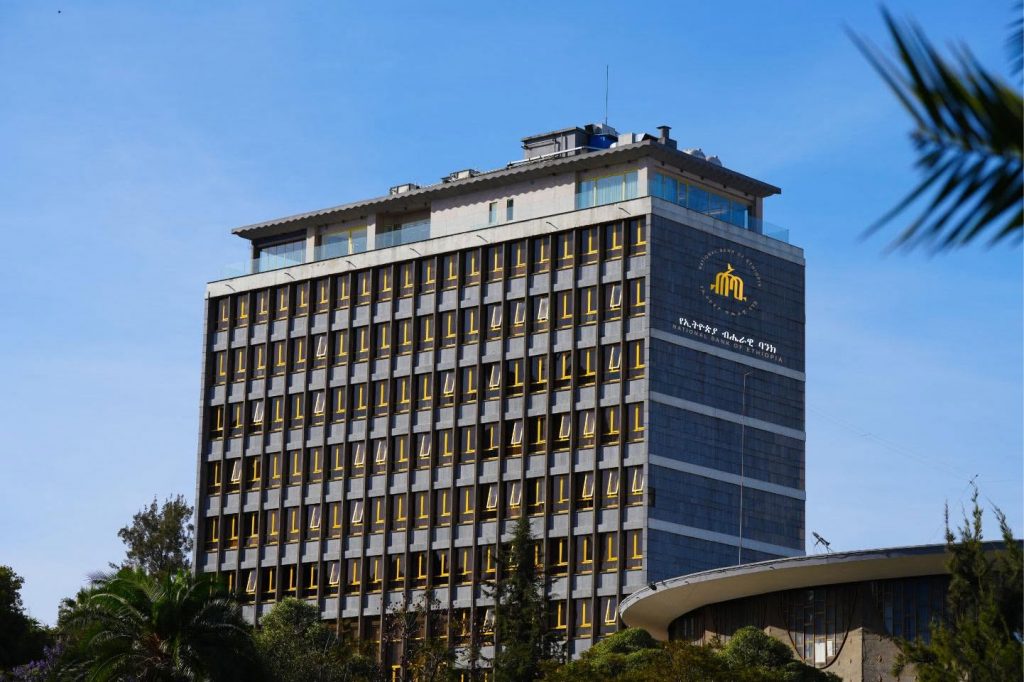
Ethiopia’s National Bank says economic momentum strengthened in the first quarter of the 2026/27 fiscal year, with higher gold exports, foreign-asset accumulation and activity across production and services supporting the expansion.
The gains came with faster money growth:
- Reserve money rose 87.2% year on year, up from 72.6%.
- Broad money grew 40.2%, compared with 33.2% a year earlier.
- Bank deposits increased 85.4%, while credit grew 42.6%.
- Inflation stood at 14.9% in September.
Why it matters
Ethiopia is gaining external breathing room, but the same mechanism is adding more local-currency liquidity to the banking system. Gold operations increased net foreign assets and helped drive reserve-money expansion. That can support imports, lending and economic activity, but it also leaves policymakers balancing growth against price pressure.
The external picture improved despite a wider trade deficit. Gold and coffee exports grew, imports of merchandise increased significantly, and private transfers and capital-account inflows helped preserve a balance-of-payments surplus. The surplus narrowed in the first quarter, however, so the cushion is not unlimited.
The banking figures point to a system able to mobilise resources and extend more credit. Yet the share of new loans relative to total resources raised stayed broadly unchanged, even after the credit cap was removed. More deposits, in other words, have not automatically translated into a larger lending pipeline.
The near-term outlook is cautiously positive if gold receipts, foreign inflows and productive-sector activity hold up. Inflation remains the harder test: food inflation eased slightly to 14.8%, while non-food inflation climbed to 15.1%, both still far from the central bank’s medium-term single-digit target. The government’s decision to avoid direct advances from the bank for more than 27 months is supporting price stability, but it does not by itself settle how much monetary expansion the economy can absorb.
Comments
No comments yet.