What changed
Ethiopian, Ugandan and Nigerian renewable-energy representatives have proposed cross-border cooperation linking Ethiopia’s energy resources to farm productivity, regional electricity trade and electric mobility.
Paddy Bakengana of the Uganda Solar Energy Association highlighted solar water pumps and dryers. Motunrayo Akinfala of Nigeria’s Renewable Energy Association called for stronger partnerships to share expertise, attract investment and expand clean-energy technologies.
Why it matters
The practical idea is simple: use renewable power where farmers and transport systems feel energy constraints most directly. Solar irrigation could support production, while solar drying could help preserve crops and reduce post-harvest losses. Those are tangible gains, not just another promise to “accelerate the transition.”
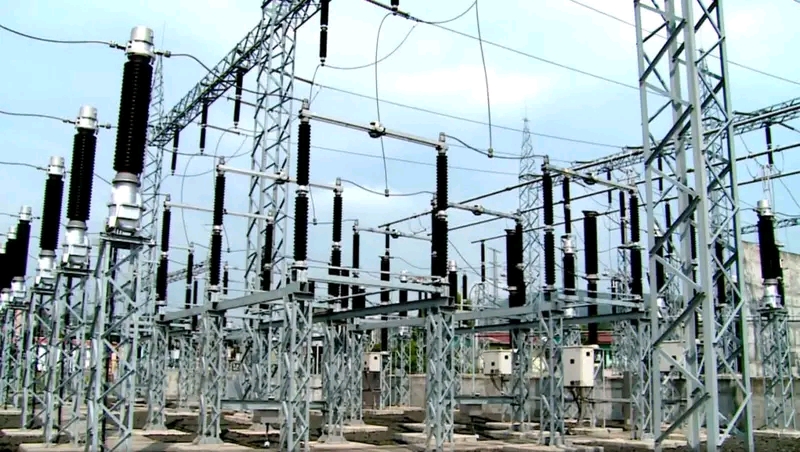
The proposal also places Ethiopia’s hydropower and solar resources inside a wider regional system. Expanded electricity trade could strengthen energy markets and improve access to power, while technical training and joint policy work could make it easier for businesses and farmers in Ethiopia and Uganda to adopt workable technologies.
Electric mobility adds a second route for cooperation. Shared expertise and investment could help Ethiopia, Nigeria and other African countries develop cleaner transport systems, though the scale of any rollout will depend on financing and implementation.
The outlook is promising but still preliminary. No investment agreement, timetable, funding commitment or electricity-trade contract has been announced. The next meaningful test will be whether these proposals become financed projects, technical partnerships and actual power-market links.
Comments
No comments yet.