What changed
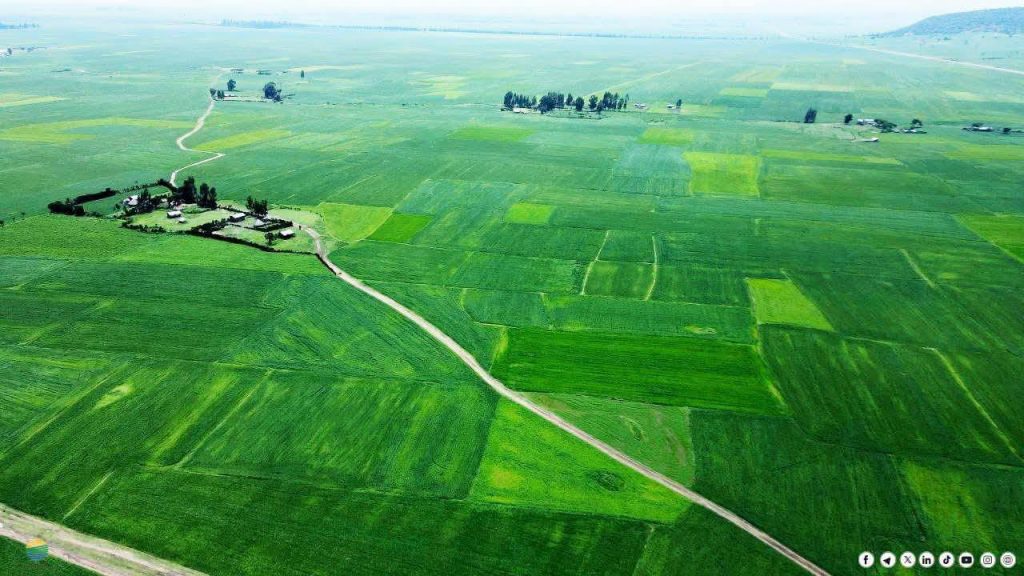
Ethiopia has moved from importing roughly $1 billion of wheat a year toward domestic self-sufficiency and surplus production, with exports reaching neighbouring Djibouti and Kenya. After visiting mechanised wheat farms and agricultural facilities in Oromia, a Nigerian delegation led by Vice President Kashim Shettima said Nigeria would adopt Ethiopia’s mechanised farming model.
Why it matters
This turns food sovereignty from a slogan into a testable policy: produce more of a staple at home, reduce dependence on international supply chains and build enough capacity to serve nearby markets. Ethiopia’s approach combines mechanised farming with cluster-based production, linking land, labour and infrastructure into a larger production system.
Nigeria’s interest gives the model more weight. Africa’s most populous country is looking to another African state for a practical agricultural template, rather than treating food insecurity as a problem that must be solved through imports alone.
The important question now is execution. Nigeria’s timetable, funding, target output and likely effect on food prices have not been specified. Ethiopia’s current surplus and export volumes are also not quantified, but the direction is clear: the continent’s struggle for sovereignty is being fought not only over borders and political power, but also over who can grow, move and secure its food.
Comments
No comments yet.