What changed
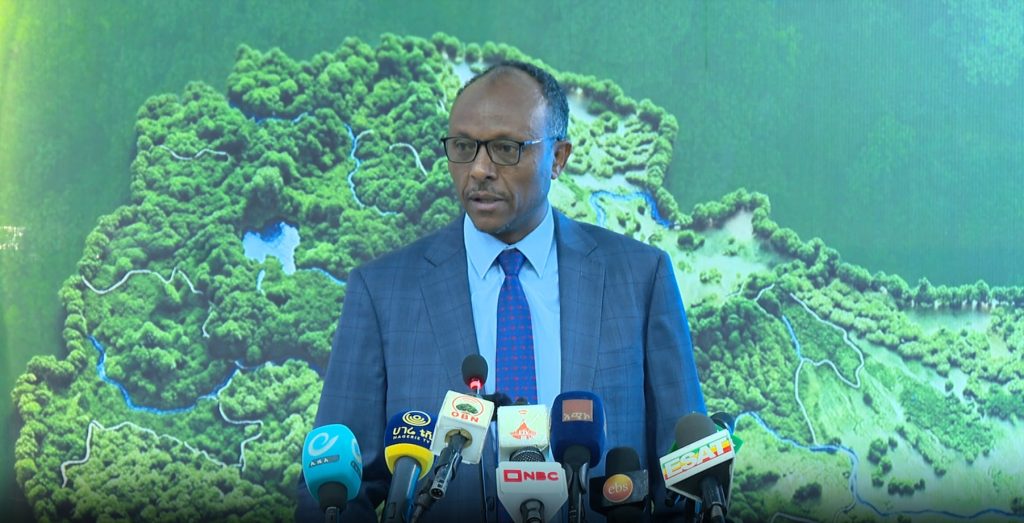
Ethiopia has set a target to cut greenhouse-gas emissions by 74.3% by 2030, compared with a business-as-usual scenario. Minister of Water and Energy Habtamu Itefa announced the pledge as the 65th session of the Intergovernmental Panel on Climate Change opened in Addis Ababa on October 12.
Why it matters
This is a national climate target tied to Ethiopia’s energy, land and development choices. The government says it will pursue the reduction through hydropower, wind and solar expansion, large-scale tree planting, and restoration of degraded land.
The pledge also responds to pressures Ethiopia is already experiencing. Erratic rainfall, recurring droughts and severe floods are disrupting agriculture, water availability and energy production. Crop failures and livestock losses make climate policy a practical question of food, livelihoods and electricity, not just emissions accounting.
Ethiopia says its Green Legacy Initiative has planted more than 56 billion trees and helped increase forest cover from 17.2% to 23.6%. The programme also includes restoring degraded water bodies, improving soil fertility and supporting livelihoods.
The hard part now is turning a large headline number into measurable work across sectors. The target’s baseline emissions, financing, sector allocations and implementation milestones have not been specified. Ethiopia’s use of IPCC methods for its greenhouse-gas inventories should make that follow-through easier to scrutinise as 2030 approaches.
Comments
No comments yet.