What changed
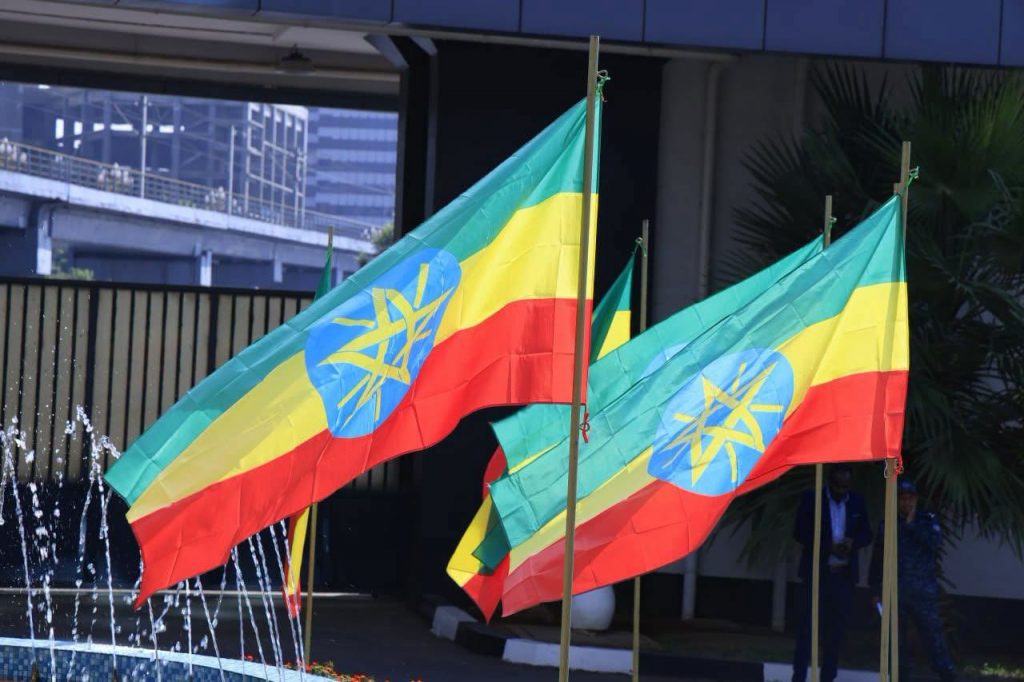
Ethiopia’s new five-year Medemer Government is presenting a more active diplomatic strategy built around four linked ideas: active, alternative, adaptive and agenda-setting diplomacy. Prime Minister Abiy Ahmed has stressed stronger engagement with neighbours and negotiated maritime access, while President Taye Atske-Selassie has called for moving Ethiopia from international acceptance toward greater influence.
Why it matters
This is a shift in diplomatic posture, not the announcement of a completed deal. Ethiopia is tying foreign policy directly to sovereignty, development and its position in the Horn of Africa, Red Sea and wider Indian Ocean region.
That matters because Ethiopia is landlocked, making dependable access to trade routes a strategic concern. The government says it will pursue maritime access through negotiation, reciprocity and mutual benefit. The practical question is whether that approach can produce a durable arrangement while respecting the sovereignty of the countries involved.
The four-part framework offers a clear way to read what comes next. “Active” means sustained engagement. “Alternative” means widening Ethiopia’s choices. “Adaptive” means responding to shifting regional conditions. “Agenda-setting” means trying to shape the questions under discussion, rather than merely reacting to them.
The ambition is substantial. But influence is ultimately measured by durable relationships and workable agreements, not by diplomatic language alone.
Comments
No comments yet.